






Motor Insurance
2026 EV Insurance Guide: Why UAE Premiums Are 35% Higher
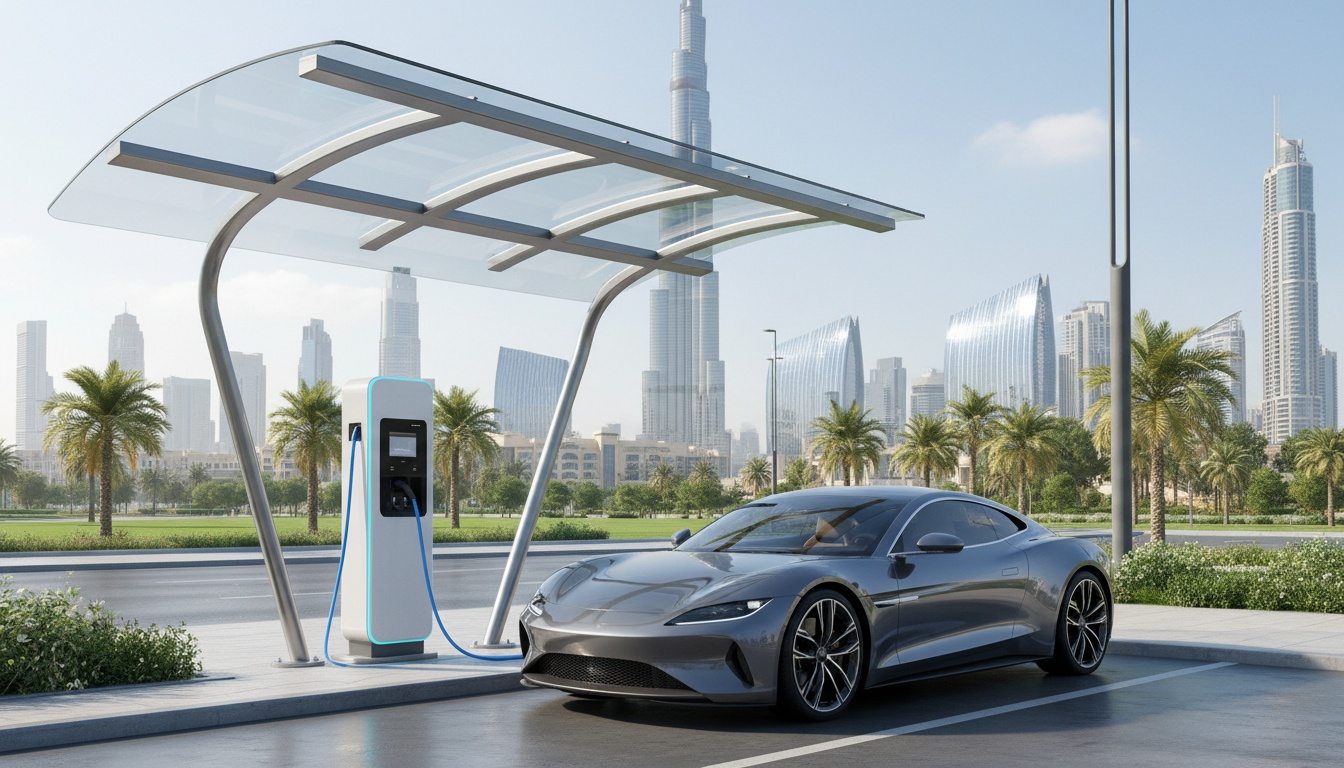
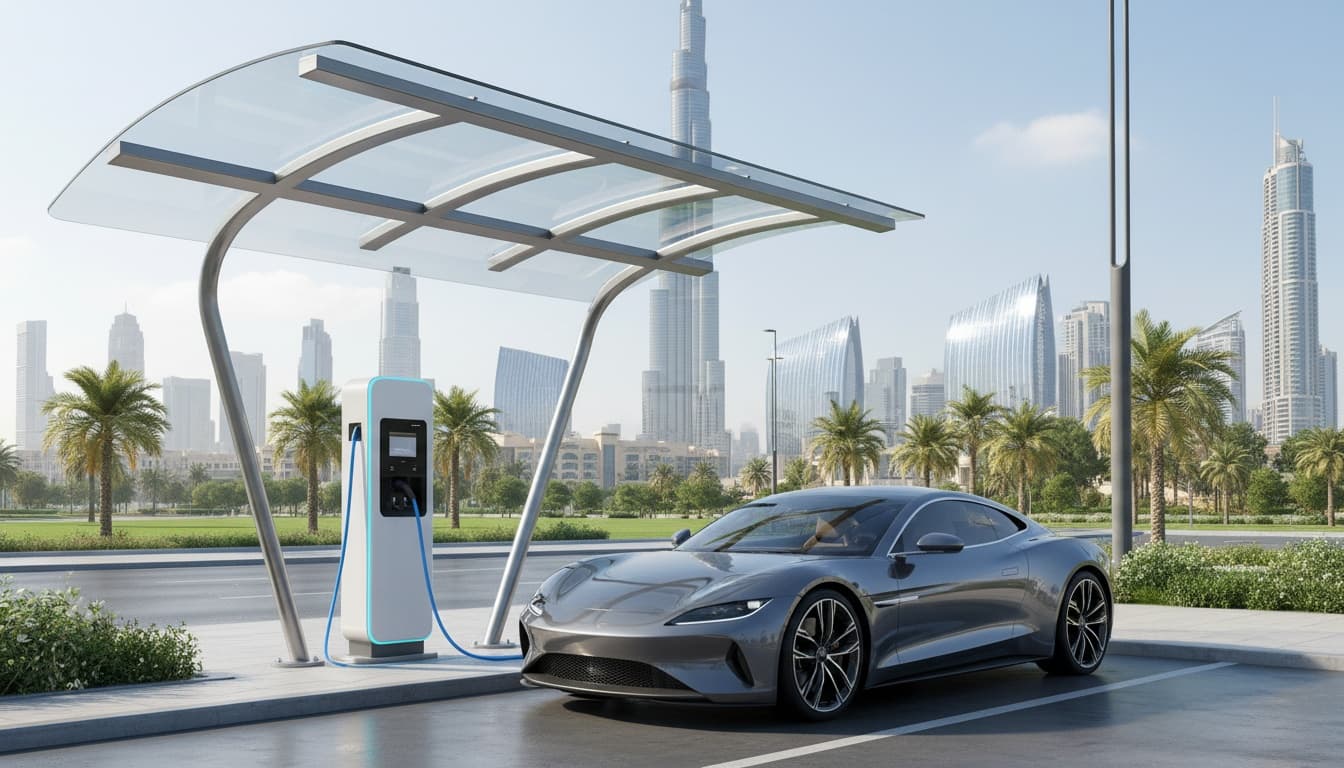
Electric vehicles are flooding UAE roads in 2026, yet many first-time EV owners face sticker shock when insuring their eco-friendly rides. Despite lower fuel costs and government incentives, comprehensive motor insurance for electric vehicles costs an average of 35% more than traditional petrol cars. This premium gap stems from battery replacement costs, specialized repair infrastructure, and the rapid influx of Chinese EV brands like BYD, MG, and Geely into the UAE market. Understanding these cost drivers—and how to mitigate them—is essential for every UAE resident considering the switch to electric mobility.
Introduction
Understanding the Mechanics of UAE EV Premiums in 2026
Electric vehicle insurance in the UAE operates under the same regulatory framework as traditional motor insurance, governed by the Central Bank of the UAE (CBUAE) and enforced by the Road and Transport Authority (RTA). However, insurers calculate EV premiums using specialized risk models that account for battery value, repair complexity, and parts availability.
The fundamental difference lies in how total loss thresholds are determined. For petrol vehicles, a car is typically written off when repair costs exceed 60-70% of market value. For EVs, battery damage alone can trigger this threshold because battery replacement costs can represent 40-50% of the vehicle's total value. When a Tesla Model 3 or BYD Seal sustains battery damage in a minor collision, insurers often face the choice between a AED 70,000+ battery replacement or declaring total loss.
Key factors insurers assess for EV policies include:
- Battery warranty status and degradation level
- GCC vs. Non-GCC specifications (non-GCC EVs face 50%+ higher premiums or coverage denial)
- Availability of authorized service centers in the UAE
- Advanced Driver Assistance Systems (ADAS) calibration costs
- Fire risk protocols and specialized towing requirements
The 5 Critical Drivers of the 35% Insurance Price Gap
1. The Battery-to-Value Ratio Crisis
EV batteries account for 30-45% of a vehicle's total manufacturing cost. In 2026, replacing a 75 kWh battery pack costs between AED 60,000-90,000 depending on the brand. This creates a mathematical problem: even cosmetic damage to the undercarriage can result in battery replacement recommendations, pushing repair estimates beyond total loss thresholds.
2. Specialized Labor Scarcity in the UAE
The GCC market faces a critical shortage of certified high-voltage technicians. Only 18% of UAE body shops hold EV-certified repair licenses as of March 2026. This scarcity drives hourly labor rates 25-30% higher than traditional mechanics, and repair timelines extend from days to weeks.
3. The Chinese EV Parts Supply Chain Gap
While Chinese EV brands like BYD, MG, and Geely dominate 2026 UAE sales, their spare parts infrastructure remains immature. Insurers factor 15-20% longer claim settlement periods and uncertain parts costs when pricing policies for Chinese EVs versus established European brands.
4. ADAS Sensor Recalibration Costs
Modern EVs integrate 8-15 sensors and cameras for safety features. A simple bumper replacement that costs AED 3,500 on a petrol car escalates to AED 12,000+ on an EV due to mandatory ADAS recalibration, specialized alignment equipment, and software updates that only authorized dealers can perform.
5. Higher At-Fault Accident Rates
Instant torque delivery and silent operation contribute to a 3-5% higher at-fault accident rate among new EV drivers in UAE traffic conditions. Insurers document increased rear-end collisions during the first 6 months of EV ownership as drivers adjust to regenerative braking dynamics.
Compare & Choose a Plan
EV vs. ICE: A Detailed Comparison of Ownership Risk Profiles
2026 UAE Motor Insurance Metrics: EV vs. Petrol (ICE)
| Cost Factor | Internal Combustion (ICE) | Electric Vehicle (EV) |
|---|---|---|
| Average Annual Premium | AED 2,800 - 3,500 | AED 3,800 - 4,900 |
| Battery/Powertrain Repair | AED 8,000 - 15,000 | AED 60,000 - 90,000 |
| Agency Repair Availability | 400+ centers UAE-wide | 85 certified centers |
| Total Loss Threshold | 65% of market value | 50% of market value |
| Average Claim Settlement | 7-10 business days | 18-25 business days |
| Specialized Towing Required | Standard flatbed | High-voltage certified |
The data reveals why comprehensive motor insurance for EVs commands premium pricing. The total cost of ownership calculation must include not just fuel savings, but also the insurance premium differential over the vehicle's lifecycle.
Get a Free Quote Now
Strategies to Lower Your Electric Vehicle Insurance Costs in the UAE
1. Maximize No-Claim Bonus Benefits
EV owners who maintain claim-free records for 3+ years can reduce premiums by 30-50%. Given the higher base premium, this discount translates to AED 1,200-1,800 annual savings. Check your car insurance status online before renewal to verify your NCB eligibility.
2. Choose GCC-Specification Vehicles Only
Non-GCC EVs imported from markets like China or Europe face insurance premium surcharges of 50-100% or outright coverage denial. Stick to UAE-authorized dealer purchases to ensure standard premium calculations.
3. Opt for Higher Voluntary Deductibles
Increasing your deductible from AED 1,500 to AED 5,000 can reduce annual premiums by 15-20%. For financially stable drivers, this strategy shifts minor repair costs to self-pay while maintaining catastrophic coverage.
4. Install OEM-Approved Security Systems
Factory-installed GPS tracking, immobilizers, and theft deterrent systems qualify for 5-10% premium discounts. Aftermarket systems rarely qualify unless pre-approved by your insurer.
5. Bundle Multiple Policies
Insuring your EV, home, and health with the same provider unlocks multi-policy discounts of 8-12%. Digital platforms like licensed insurance platforms enable easy comparison of bundled offerings.
6. Leverage Manufacturer Partnerships
Some EV manufacturers (Tesla, BYD, Lucid) have negotiated preferred insurance rates with specific UAE insurers. Inquire about manufacturer-tied insurance programs before selecting a policy.
Explore Plans →
Conclusion
Bottom line: The 35% EV insurance premium gap in 2026 reflects legitimate cost realities—battery replacement expenses, specialized repair infrastructure, and evolving risk models. However, UAE residents can mitigate these costs through strategic policy selection, GCC-specification vehicle purchases, and leveraging digital comparison platforms.
As the EV charging network expands and repair infrastructure matures, the premium gap will narrow. Until then, informed buyers must factor insurance costs into their total ownership calculations.
Visit the platform's motor insurance comparison tool to compare quotes from UAE's top insurers, ensuring you get optimal coverage at competitive rates.
Get Motor Quotes Instantly
FAQ
Why is my BYD or Tesla more expensive to insure than a luxury BMW in Dubai?
Battery replacement costs for EVs (AED 60,000-90,000) far exceed engine repairs for ICE vehicles. Additionally, the limited network of certified EV repair centers and longer parts supply chains increase insurers' risk exposure, driving higher premiums despite lower overall vehicle prices.
Does the UAE Central Bank regulate the maximum premium for electric vehicles?
The Central Bank of the UAE (CBUAE) sets regulatory frameworks through the Unified Motor Policy but does not cap premiums. Insurers calculate rates based on actuarial data, repair costs, and claims history. However, the CBUAE mandates transparency in premium calculations and prohibits discriminatory pricing.
How does a 'Total Loss' claim differ for an EV battery vs. a petrol engine?
EV batteries are declared total loss if damage exceeds 50% of the vehicle's market value, compared to 60-70% for petrol cars. Because batteries represent 40-50% of an EV's value, even moderate battery damage often triggers write-offs, while similar engine damage might qualify for repair.
Will my EV insurance premium decrease as more charging stations open in the UAE?
Charging infrastructure doesn't directly impact insurance premiums. Rates will decline as repair networks expand, technician training improves, and claims data matures. Industry analysts project a 10-15% premium reduction by 2028 as the UAE EV ecosystem stabilizes.
Are Chinese EV brands like Geely and Zeekr cheaper to insure than European EVs?
Currently, Chinese EVs face 5-12% higher premiums due to less mature spare parts supply chains and limited historical claims data in the UAE. European brands like Audi e-tron and Mercedes EQS benefit from established dealer networks, resulting in more predictable repair costs and lower premiums.
Does the 35% premium gap apply to Third-Party Only (TPO) coverage?
No. The premium gap primarily affects comprehensive coverage because TPO policies don't cover own-damage repairs. TPO rates for EVs run only 3-8% higher than ICE vehicles, reflecting the slightly elevated at-fault accident risk during the ownership adjustment period.
Editorial note: This article is for general information and does not constitute insurance advice. Always confirm terms with your insurer.