





Travel Insurance
Central Asia Trekking 2026: UAE Search and Rescue Insurance
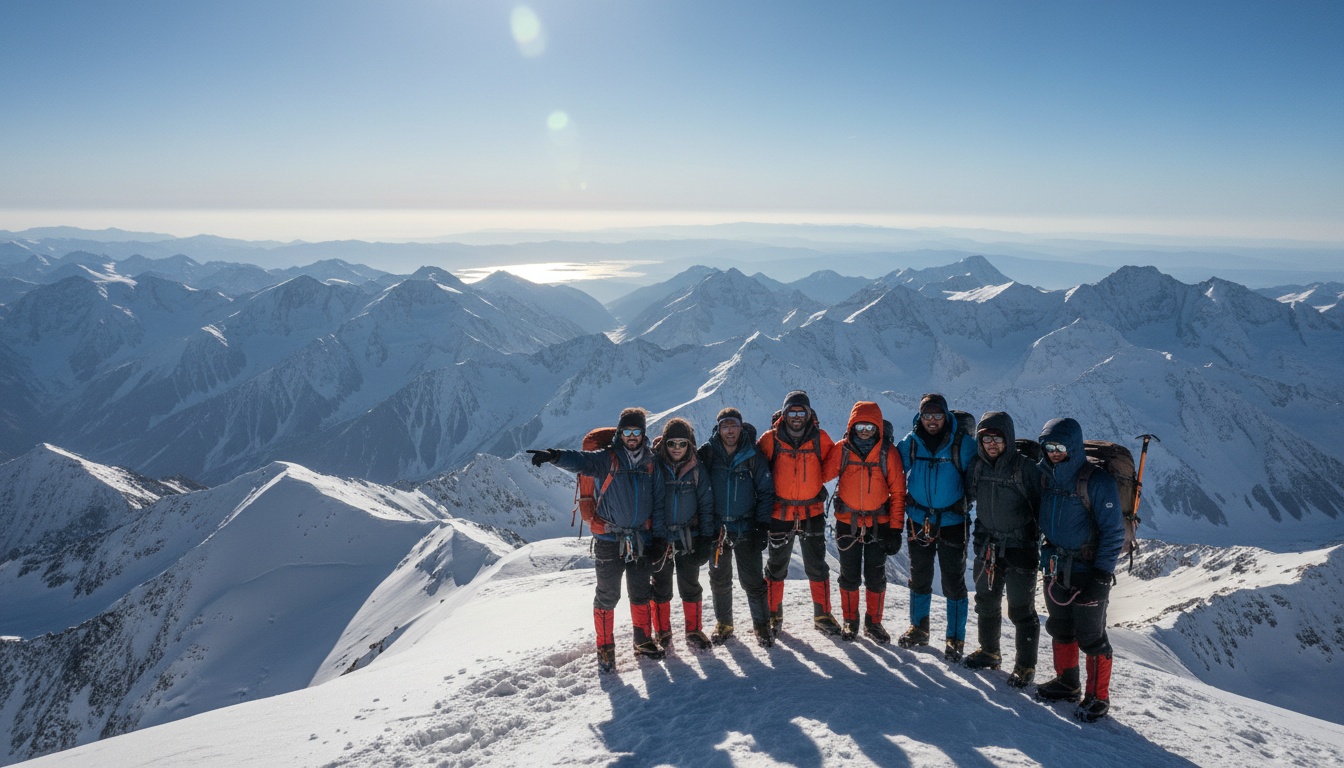
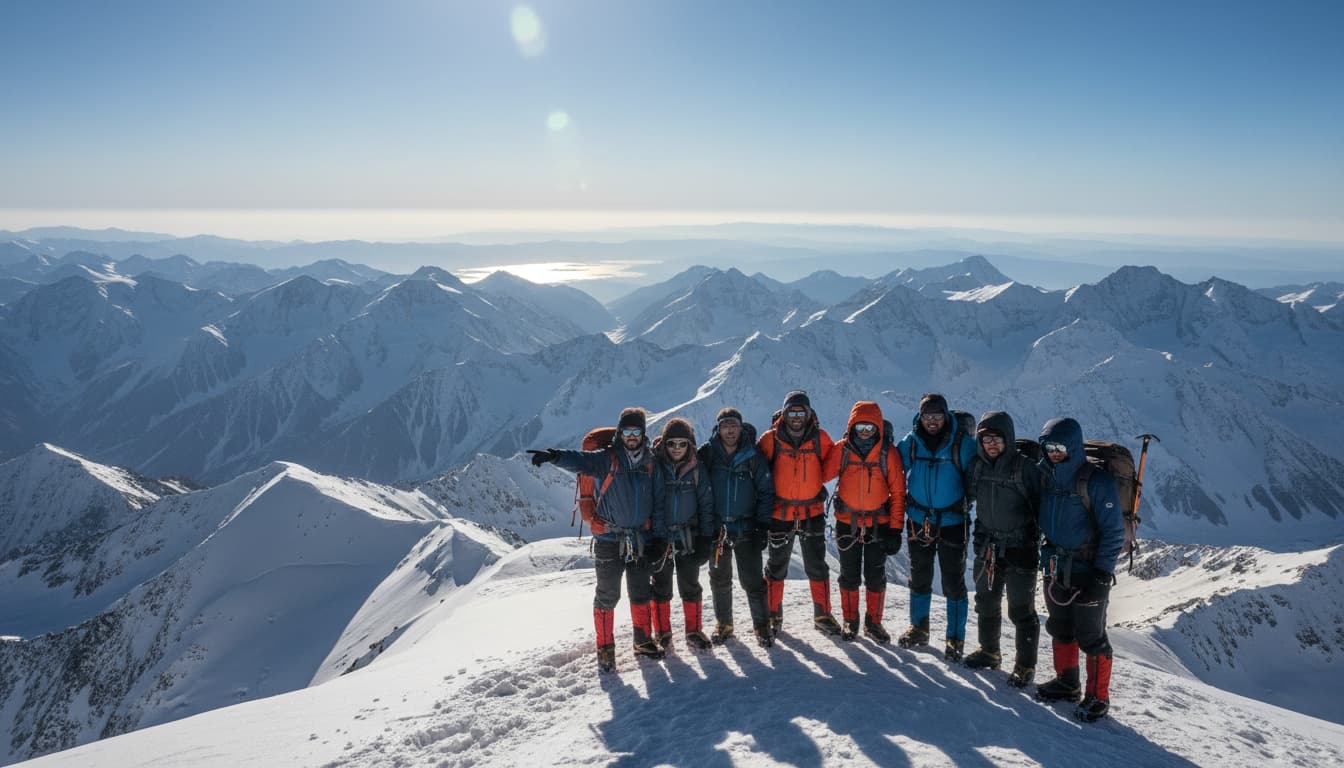
Central Asia's majestic peaks—from Kyrgyzstan's Tian Shan to Tajikistan's Pamir Mountains—are calling UAE adventure travelers in 2026. But beneath the thrill of high-altitude trekking lies a critical coverage gap: most standard UAE travel insurance policies exclude or severely limit Search and Rescue (SAR) operations above 3,000 meters. With helicopter evacuations costing upward of $20,000 in remote regions, understanding your policy's altitude limits isn't just prudent—it's potentially lifesaving. This guide breaks down what UAE hikers need to know before booking their next Central Asian expedition. For comprehensive coverage options, explore travel insurance plans tailored for adventure travelers.
Introduction
Understanding Search and Rescue (SAR) Provisions in UAE Travel Insurance
Search and Rescue (SAR) coverage is fundamentally different from standard medical evacuation benefits. While medical evacuation transports an already-located patient to a hospital, SAR covers the actual search operation—helicopters, ground teams, tracking equipment—required to find and retrieve an injured or lost hiker in remote terrain.
Key distinctions for UAE residents:
- Sub-limit structure: SAR is typically a sub-benefit of emergency medical coverage, often capped between $5,000-$15,000 in standard "Worldwide" policies
- Altitude thresholds: Most UAE-issued travel policies exclude SAR above 2,500-3,000 meters unless an adventure sports rider is purchased
- Direct billing vs. upfront payment: Central Asian rescue operators frequently demand a "Guarantee of Payment" from insurers before launching helicopters—policies without pre-authorization clauses leave hikers stranded
According to the UAE Central Bank's insurance regulations, travel policies must clearly disclose altitude and activity exclusions. Yet many UAE residents purchasing online assume "Worldwide" coverage includes all activities at all elevations.
The 2026 Central Asia Trekking Landscape: Kyrgyzstan, Tajikistan, and Kazakhstan
Central Asia's trekking infrastructure has matured significantly in 2026, but so have permit requirements and insurance mandates:
Kyrgyzstan (Tian Shan Range):
- Popular routes: Ala Archa, Karakol Valley, Jyrgalan
- New 2026 regulation: Trekking permits above 4,000m require proof of SAR coverage minimum $10,000
- Helicopter rescue base rate: $8,000-$12,000 depending on location
Tajikistan (Pamir Mountains):
- Key zones: Fann Mountains, Wakhan Corridor, Peak Lenin base camps
- 2026 update: "Restricted Border Zones" now require GBAO permits AND proof of international insurance with SAR
- Rescue logistics: Limited helicopter availability; some evacuations require multi-day ground transport costing $15,000+
Kazakhstan (Northern Tian Shan):
- Main areas: Almaty region, Big Almaty Lake, Kolsai Lakes
- Generally lower altitude (2,000-3,500m) but insurance still mandatory for guided treks
- Local rescue coordination through Kazakhstan's Committee for Emergency Situations
Climate change is also reshaping the 2026 trekking season. Accelerated glacier retreat in the Pamir region is exposing technical terrain on previously straightforward "hiking" routes. Insurance adjusters are increasingly reclassifying these routes as "mountaineering," which triggers higher premiums or outright exclusions in standard policies.
Compare & Choose a Plan
Critical Clauses: Altitude Limits and Adventure Sport Exclusions
When reviewing your UAE travel insurance policy for Central Asian trekking, scrutinize these specific clauses:
1. Maximum Altitude Definitions Standard policies typically use these tiers:
- General travel: Up to 2,500m (covered)
- Trekking/hiking: 2,500m-4,000m (requires adventure rider)
- Mountaineering: Above 4,000m (often excluded or requires specialized policy)
2. "Professional Guidance" Requirements Many UAE-issued policies include a clause voiding coverage if trekking without a licensed local guide. In practice:
- Tajikistan requires licensed guides for most Pamir routes
- Kyrgyzstan allows solo trekking but insurers may deny claims without guide documentation
- Kazakhstan has mixed requirements depending on national park regulations
3. "Sanctioned Region" Exclusions Some policies exclude coverage in border zones or areas with travel advisories. In 2026, this particularly affects:
- Tajikistan's Afghanistan border regions
- Certain Kyrgyz-Uzbek border trails
- Kazakhstan's restricted military zones near Baikonur
4. Equipment vs. Person Coverage SAR costs can include:
- Helicopter flight hours: $2,000-$5,000 per hour
- Ground rescue teams: $500-$1,500 per day
- Medical stabilization at rescue site: $1,000-$3,000
- Equipment retrieval: Often NOT covered—left behind gear is your financial loss
For those who frequently travel, understanding how worldwide travel insurance works for UAE residents can help identify the right policy structure.
Get a Free Quote Now
Comparing Standard vs. Specialized High-Altitude Coverage for UAE Hikers
| Feature | Standard 'Worldwide' Policy | Specialized Mountaineering Add-on |
|---|---|---|
| Maximum Altitude Limit | 2,500m - 3,000m | Up to 6,000m (some extend to 7,000m) |
| Search & Rescue Cap | $5,000 - $10,000 (sub-limit) | $25,000 - $50,000 (dedicated limit) |
| Helicopter Evacuation | Excluded or requires pre-approval | Automatic coverage with direct billing |
| Professional Guide Requirement | Usually mandatory | Waived for experienced mountaineers with certification |
| Equipment Loss/Damage | Not covered | Up to $2,000 - $5,000 |
| Trip Cancellation (weather/permit) | Standard cancellation only | Extended to include route closures, avalanche risk |
| Annual Premium (UAE resident) | AED 400 - 800 | AED 1,200 - 2,500 (depending on trip frequency) |
Real-world scenario (2025 case): A Dubai-based hiking group attempted Tajikistan's Iskanderkul Lake circuit (3,200m). One member suffered altitude sickness requiring helicopter evacuation. Their standard UAE policy had:
- $10,000 SAR sub-limit
- Actual evacuation cost: $14,500
- Out-of-pocket expense: $4,500 plus medical bills
With a specialized rider (additional AED 600 annual premium), the entire cost would have been covered with direct billing—no upfront payment required.
Explore Plans →
Safety Checklist: Preparing for Remote Expeditions from the UAE
Before departing for Central Asia in 2026, complete this verification checklist:
Insurance Documentation:
- ✅ Confirm policy altitude limits exceed your highest planned elevation
- ✅ Verify SAR coverage is a standalone limit (not a sub-limit)
- ✅ Obtain written confirmation of direct billing capability in Kyrgyzstan/Tajikistan
- ✅ Carry physical policy documents in English and Russian
- ✅ Save 24/7 emergency assistance numbers in offline phone storage
Permit & Legal Requirements:
- ✅ Research GBAO permit requirements (Tajikistan) and secure 2-4 weeks before travel
- ✅ Verify guide licensing if your policy requires professional accompaniment
- ✅ Register with UAE Embassy in Bishkek/Dushanbe before entering remote areas
Communication & Safety:
- ✅ Rent or purchase satellite communicator (Garmin inReach, SPOT) as cell coverage is unreliable above 2,000m
- ✅ Share detailed itinerary with UAE emergency contacts
- ✅ Confirm your insurer accepts GPS coordinates for SAR deployment
Financial Preparedness:
- ✅ Carry $1,000-$2,000 USD cash for potential rescue deposits (some operators demand upfront payment despite insurance)
- ✅ Ensure credit cards have sufficient limit for emergency medical guarantees
Get Travel Quotes Instantly
Conclusion
Bottom line: Central Asia's stunning peaks offer UAE adventure travelers unforgettable experiences, but standard travel insurance often falls dangerously short when it comes to high-altitude Search and Rescue coverage. The gap between typical $5,000-$10,000 SAR sub-limits and the $20,000+ reality of remote helicopter evacuations can leave hikers facing catastrophic out-of-pocket costs. In 2026, with stricter permit requirements and evolving climate conditions reclassifying terrain, specialized mountaineering coverage isn't luxury—it's essential. Before booking your Pamir or Tian Shan expedition, verify your policy's altitude limits, SAR caps, and direct billing capabilities.
FAQ
Does my basic UAE travel insurance cover trekking above 3,000 meters?
Most standard UAE "Worldwide" travel policies exclude trekking above 2,500m-3,000m unless you purchase an adventure sports or mountaineering rider. Always check your policy's altitude limits before planning high-elevation trips. Compare travel insurance options to find plans with appropriate altitude coverage.
What is the difference between 'Medical Evacuation' and 'Search and Rescue' in a policy?
Medical evacuation covers transport of an already-located patient to a medical facility. Search and Rescue (SAR) covers the actual search operation—helicopters, ground teams, tracking—to find and retrieve a missing or injured person. SAR is often a separate, lower sub-limit within travel policies.
Are helicopter rescues in Tajikistan paid upfront or via direct billing?
Most Central Asian rescue operators require a "Guarantee of Payment" from your insurer before launching. Policies with direct billing arrangements handle this via phone/email confirmation. Without this feature, you may need to pay $10,000-$20,000 upfront and seek reimbursement later—verify your policy's claim process before traveling.
Does the UAE's mandatory visa insurance cover international trekking accidents?
No. UAE visa insurance (required for tourist visa holders) covers only basic medical treatment within the UAE at low altitudes. UAE residents traveling abroad need separate international travel insurance with appropriate adventure coverage.
Should I buy local Central Asian insurance or a global policy from a UAE provider?
UAE-based international policies are generally preferable as they offer 24/7 English-language support and streamlined claims from Dubai. Local Central Asian policies may be cheaper but often lack direct billing capabilities and require in-country claim filing. For frequent travelers, annual UAE-issued policies with adventure riders offer the best value.
What happens if I trek in a 'Restricted Zone' without a specific permit?
Insurance coverage is typically voided if you're engaged in illegal activity, which includes trekking in restricted border zones without proper permits. Tajikistan's GBAO permit and other regional authorizations are legally required—insurers will deny SAR claims if you lack proper documentation.
Editorial note: This article is for general information and does not constitute insurance advice. Always confirm terms with your insurer.