






Motor Insurance
Chinese Car Depreciation UAE 2026: Protect Your Value
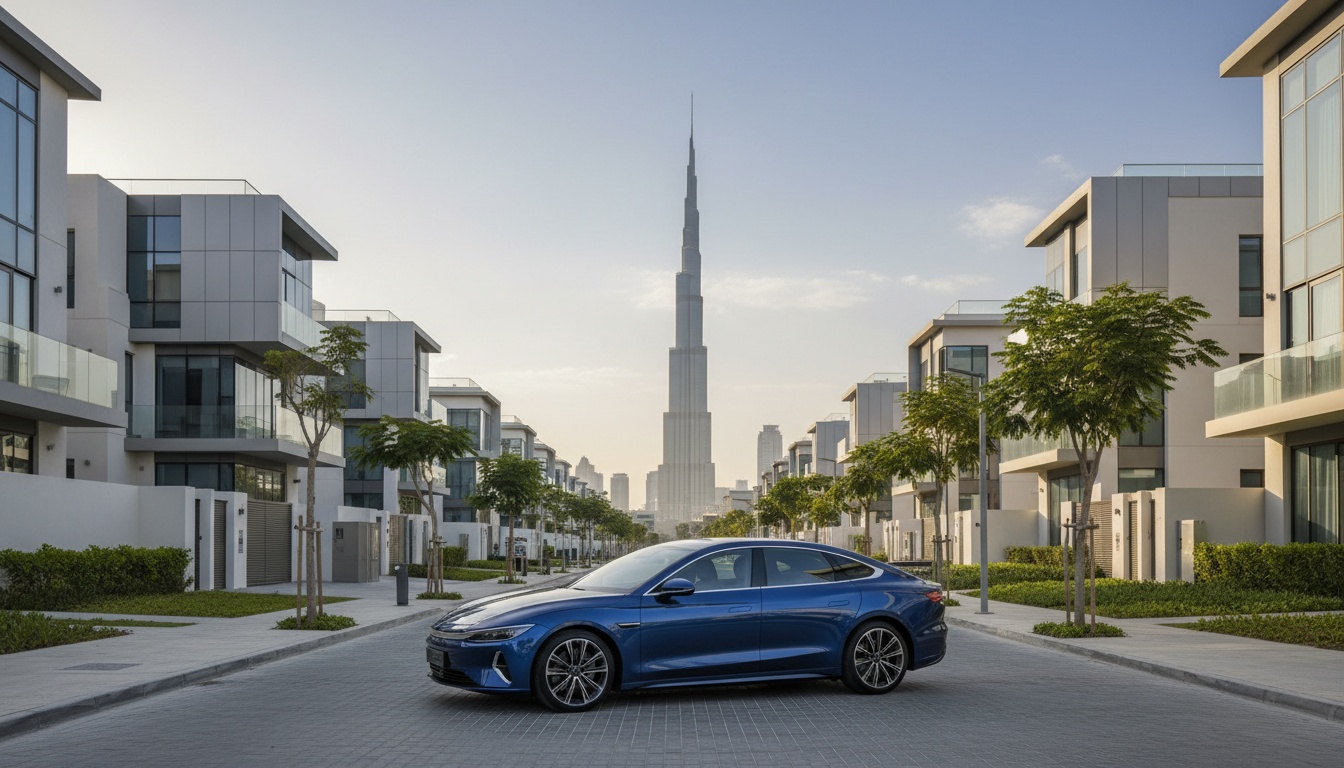
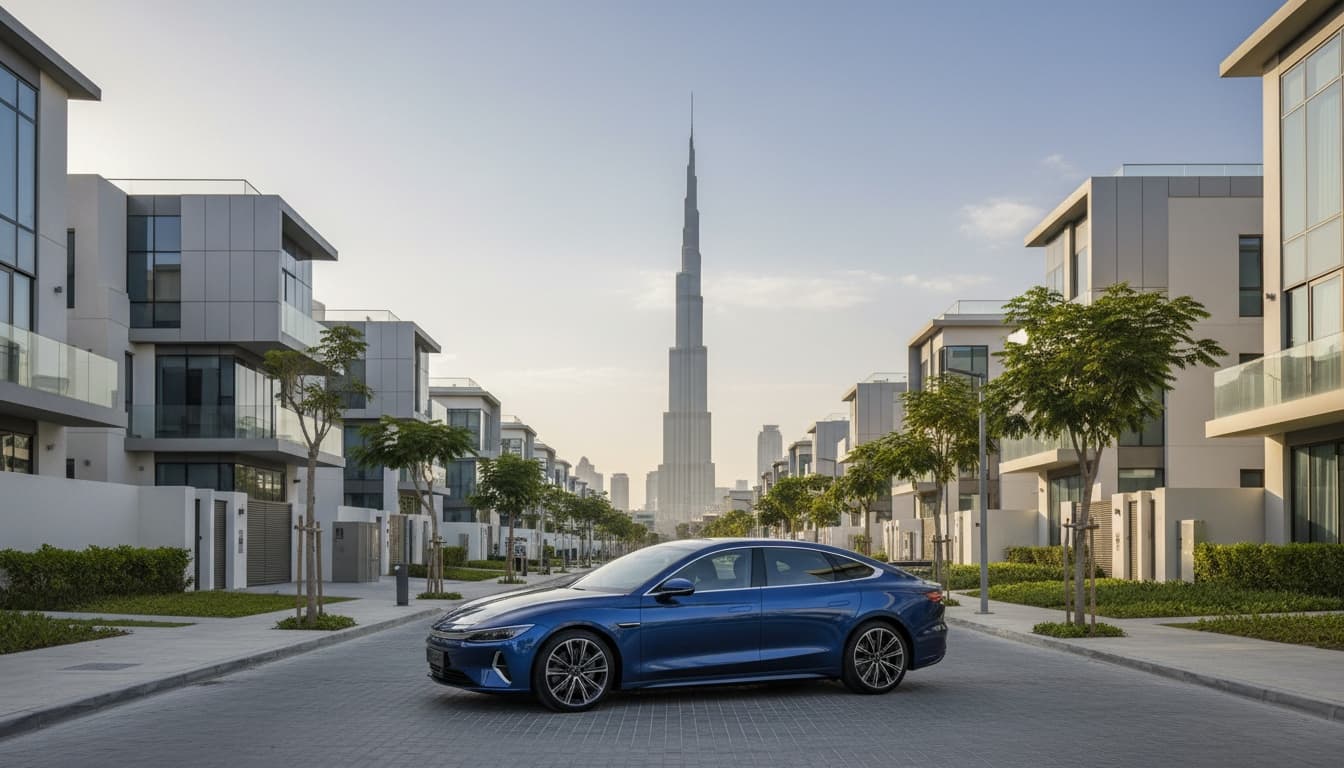
Buying a Chinese car in the UAE in 2026 is a smart financial move — until depreciation hits. Brands like BYD, MG, Geely, and Haval are gaining real traction, but rapid tech cycles and shifting resale markets create unique risks for owners. This guide breaks down how Chinese car depreciation works in the UAE, and how the right motor insurance strategy can protect your investment from day one.
Understanding the 2026 Depreciation Landscape for Chinese Cars in the UAE
Chinese automotive brands have crossed a significant milestone in the UAE. Once viewed with scepticism, names like BYD, Geely, and Haval now command genuine buyer confidence — but "trust maturity" doesn't eliminate depreciation risk. In 2026, Chinese vehicles still experience steeper early depreciation curves than Japanese or European counterparts, primarily because of rapid model refresh cycles and ongoing consumer uncertainty about long-term parts availability.
According to the Road and Transport Authority (RTA), vehicle registration data shows consistent year-on-year growth for Chinese brands across Dubai and Abu Dhabi. However, a higher volume of registered units also accelerates the used-car supply, which softens resale prices faster than with lower-volume European marques.
Two factors are working in Chinese brands' favour this year: the expansion of authorized service centers across the Northern Emirates and UAE green mobility incentives that actively support the secondary market for Chinese-made EVs. Owners who maintain a full service history (FSH) from UAE-authorized dealers are also finding it easier to secure better insurance premium rates and stronger resale offers.
For a detailed look at how specs affect your policy, see this guide on Jetour & Hongqi Agency Repair: 2026 Insurance Exclusions UAE.
Top Factors Influencing Resale Value: Tech Obsolescence to Battery Health
Understanding what drives depreciation is the first step to managing it. In the UAE context, five factors dominate:
- Technology refresh cycles — Chinese manufacturers release new model variants 12–18 months faster than Japanese peers, making current models feel outdated sooner.
- Battery health (EV models) — UAE heat significantly stresses lithium-ion batteries. Degradation above 20% measurably reduces resale value for BYD and Zeekr models.
- Spare parts availability — Brands with established UAE dealer networks (MG, Geely) hold value better than newer entrants with limited parts supply chains.
- Agency repair eligibility — Vehicles covered by insurer-approved agency repair terms retain stronger buyer appeal in the used market.
- Full service history — An unbroken FSH from a UAE-authorized dealer can recover 5–10% of resale value compared to a car with gaps in documentation.
UAE's extreme climate is a particularly important variable for EV owners. The Emirates Authority for Standardization and Metrology (MOIAT) sets standards for battery performance under GCC conditions, and buyers are increasingly checking compliance before purchasing used EVs.
If you own or are considering a Chinese EV, reviewing Chinese Hybrid vs EV Insurance UAE 2026 Premium Guide will clarify how battery health intersects with your premium calculations.
Insurance Strategies for Value Protection: Gap Cover and Agreed Value Policies
This is where most Chinese car owners in the UAE leave money on the table. Standard comprehensive motor insurance pays out market value at the time of a total loss claim — not what you paid. If your vehicle depreciates 35–40% in the first two years, a standard payout could leave you significantly short on a financed vehicle.
Gap Insurance (Guaranteed Asset Protection) bridges the difference between your outstanding finance balance and the insurer's market value payout. For Chinese EV and ICE models with high initial depreciation, this is arguably the single most important add-on available.
Agreed Value policies offer another route: you and your insurer agree on a fixed sum insured at policy inception, regardless of subsequent market depreciation. This is particularly valuable for owners of newer Chinese models where market valuation data is still thin.
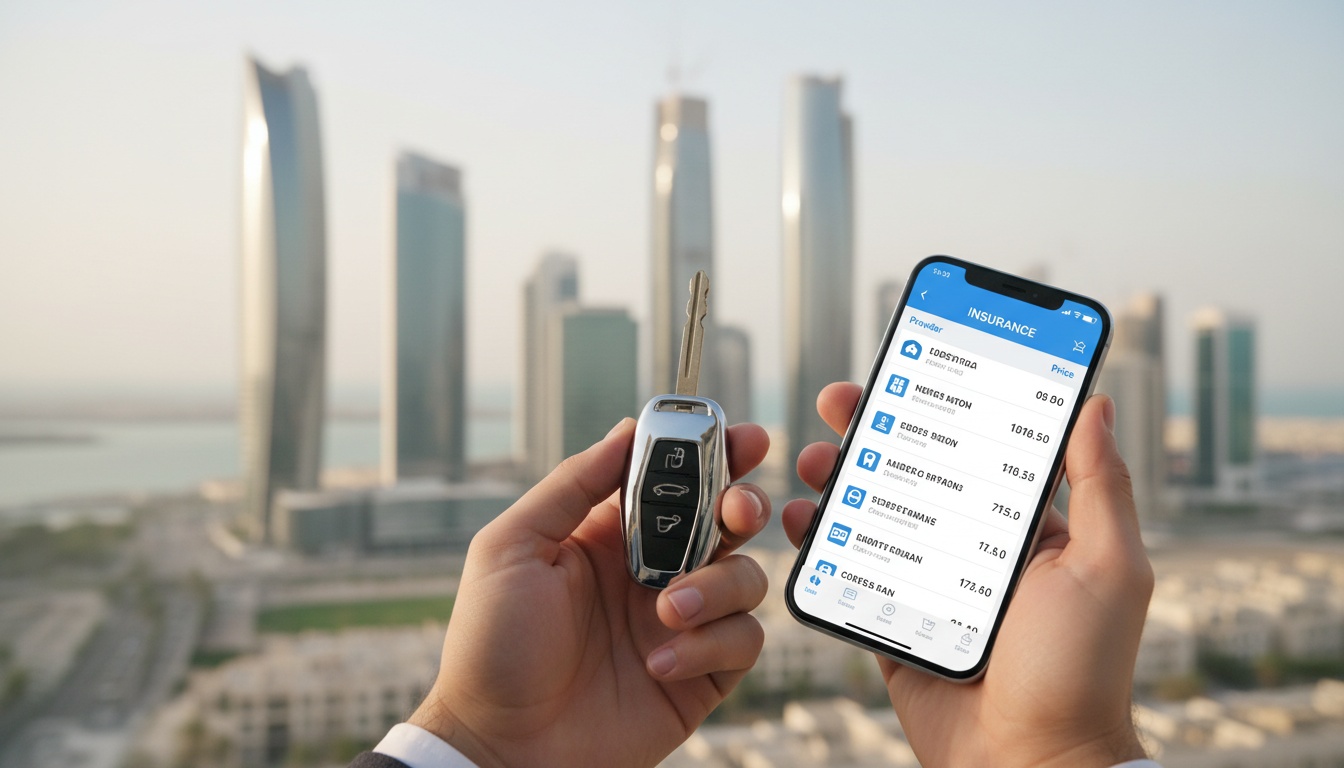
You can compare motor insurance plans on licensed platforms to find policies that include Gap Cover and Agreed Value options suited to Chinese vehicle owners.
Also worth reading: Agreed Value vs Market Value for Chinese Cars UAE 2026 for a deeper breakdown of how valuation disputes are resolved.
Compare & Choose a Plan
Estimated Depreciation Rates: Chinese Brands vs. Japanese and European Peers
| Brand Category | Avg. 24-Month Depreciation | Agency Repair Eligibility | Recommended Insurance Add-on |
|---|---|---|---|
| Chinese EV (BYD, Zeekr) | 35–45% | Up to 5 years | Full Gap Insurance |
| Chinese ICE (MG, Geely, Haval) | 28–38% | Up to 3 years | Agreed Value Policy |
| Japanese (Toyota, Honda) | 15–22% | Up to 5 years | Standard Comprehensive |
| European (BMW, Mercedes) | 20–30% | Up to 5 years | Agreed Value or Gap |
Chinese EVs depreciate most sharply — primarily because the technology iteration cycle means a 2024 model can feel two generations behind by 2026. Japanese brands remain the UAE resale benchmark. However, the gap is narrowing as Chinese brands invest in longer agency repair windows and stronger dealer networks.
Get a Free Quote Now
Conclusion
Bottom line: Chinese cars in the UAE offer excellent value at purchase but carry real depreciation risk that standard motor insurance alone doesn't address. In 2026, the smartest owners are pairing their vehicles with Gap Insurance or Agreed Value policies, maintaining full service histories, and choosing GCC-spec models with strong agency repair terms. Whether you drive a BYD, Geely, or Haval, the right motor insurance strategy is your strongest tool against financial loss.
Short Summary: Chinese car depreciation in the UAE peaks early — discover the 2026 insurance strategies that protect your BYD, Geely, or MG investment.
Meta Description: Chinese car depreciation in UAE 2026 explained. Compare Gap Insurance and Agreed Value policies for BYD, MG, Geely, and Haval to protect your investment.
Slug: chinese-car-depreciation-uae-2026-value-protection
Explore Plans →
FAQ
Do Chinese cars in the UAE depreciate faster than Japanese brands in 2026?
Yes, generally. Chinese models average 28–45% depreciation within 24 months, compared to 15–22% for Japanese brands like Toyota. Rapid technology refresh cycles and thinner resale markets are the primary drivers in the UAE.
Can I get Agreed Value insurance for a used Geely or MG in Dubai?
Yes, some UAE insurers offer Agreed Value policies for used Chinese vehicles, though eligibility depends on the vehicle's age, condition, and the insurer's own valuation guidelines. Comparing providers through platforms like eSanad is the fastest way to find a suitable policy.
How does UAE heat affect the battery health and resale value of Chinese EVs?
Extreme temperatures accelerate lithium-ion battery degradation, which directly reduces resale value. Buyers of used Chinese EVs in the UAE increasingly request battery health reports, and degradation above 20% can significantly soften offers.
Is Gap Insurance mandatory for financed Chinese vehicles in the UAE?
Gap Insurance is not legally mandatory under UAE Central Bank regulations, but it is strongly recommended for any financed vehicle with high depreciation. Without it, a total loss payout may not cover your outstanding loan balance.
Does Agency Repair cover improve the resale value of a Haval or Chery?
Yes, meaningfully. Vehicles with documented agency repair history command stronger resale prices because buyers are assured of manufacturer-standard servicing. Most UAE insurers now offer 3–5 years of agency repair for leading Chinese brands, closely mirroring European standards.
Editorial note: This article is for general information and does not constitute insurance advice. Always confirm terms with your insurer.