






Travel Insurance
EU Entry Exit System 2026: UAE Travel Insurance and Delays
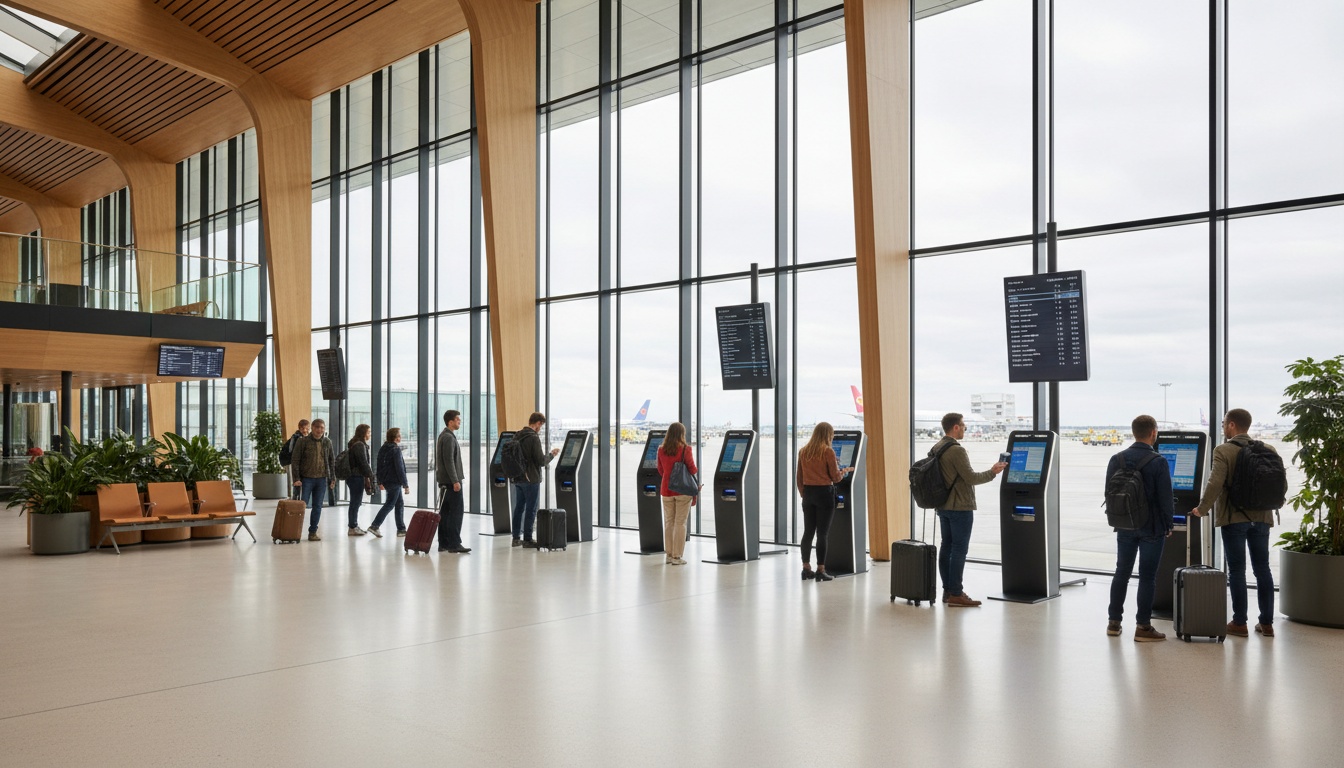
The EU Entry/Exit System (EES) is now a reality for UAE travelers heading to Europe in 2026. But what happens if a biometric kiosk malfunction or a 3-hour queue causes you to miss your connecting flight? Before your next Schengen trip, explore your travel insurance options on eSanad and understand exactly what the fine print covers — and what it doesn't.
Understanding the 2026 EU Entry/Exit System: What UAE Travelers Need to Know
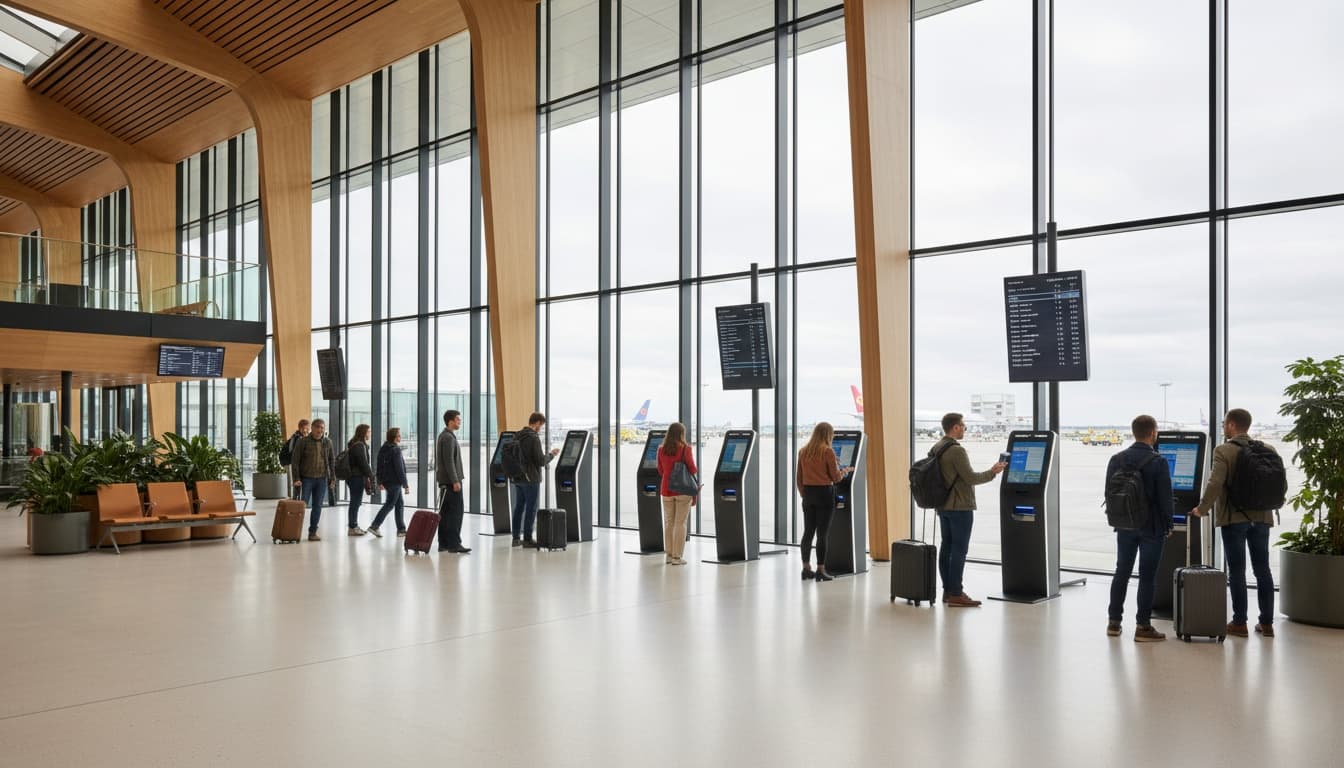
The EU Entry/Exit System replaces manual passport stamping with automated biometric kiosks at all Schengen borders. Every non-EU traveler — including UAE citizens and residents — must now register fingerprints and facial scans on entry and exit. This applies regardless of whether you hold a UAE passport, a residency visa, or a GCC travel document.
The practical impact? Border processing times at major hubs like Amsterdam, Frankfurt, and Paris have increased significantly during peak periods. EU airlines and airport operators have flagged serious congestion risks, particularly for travelers with tight connecting flights.
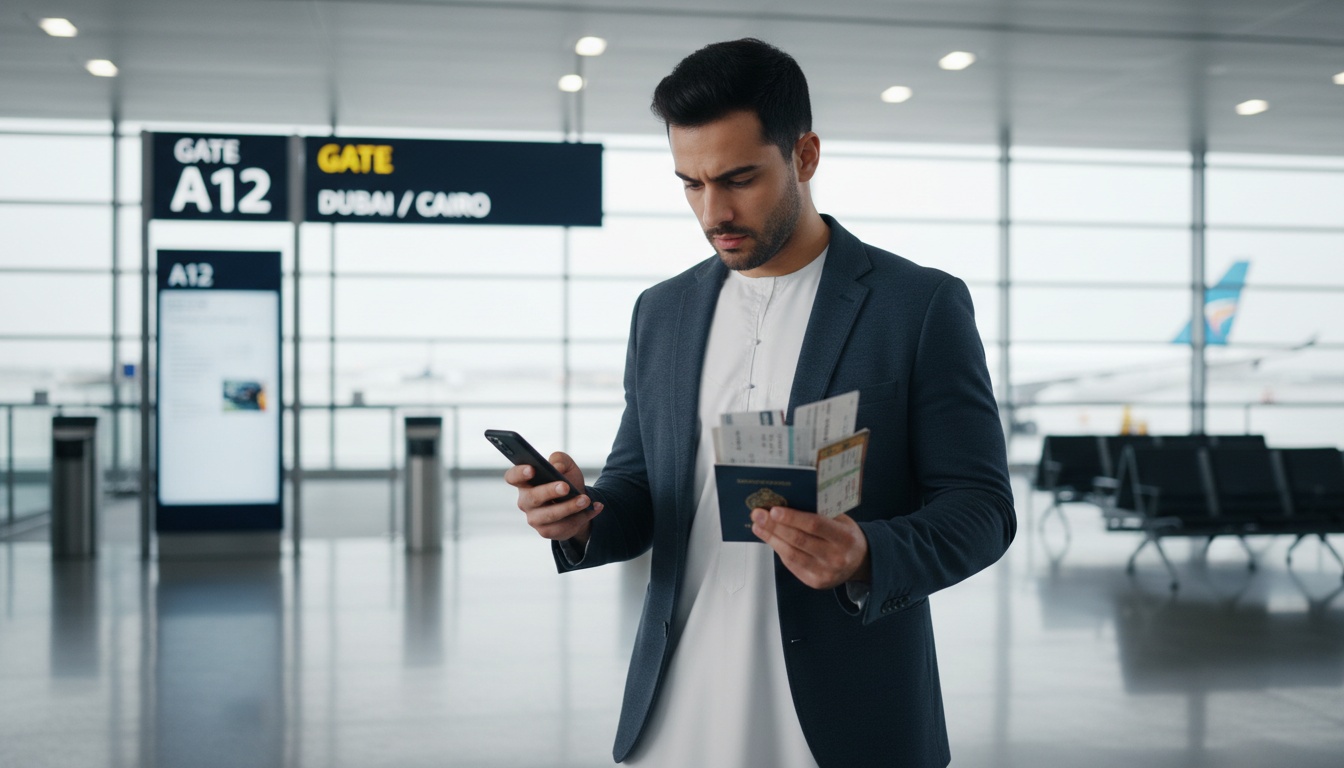
For UAE residents flying from Dubai or Abu Dhabi, a missed Schengen connection due to EES kiosk delays is no longer hypothetical — it is a documented risk for 2026 travel.
If you regularly travel to Europe, you may also want to review whether annual multi-trip or single-trip insurance better suits your new 2026 travel rhythm given EES-related unpredictability.
Does Your Insurance Cover Biometric Delays? Analyzing the "Security Delay" Clause
This is where UAE travelers are most vulnerable — and where most insurance policies are least transparent.
Most UAE-regulated travel insurance policies include a Travel Delay benefit, but it only activates after a continuous delay of 6 to 12 hours, depending on the insurer. An EES kiosk queue that costs you 90 minutes and a missed flight may not trigger this clause at all.
Key distinctions regulated by the UAE Central Bank's insurance disclosure standards:
- Travel Inconvenience / Security Delay (covered): An involuntary, unforeseen delay caused by immigration processing failures, kiosk malfunctions, or official border authority actions.
- Lack of Documentation (not covered): If you fail to pre-register biometrics where required, or arrive without valid ETIAS, any resulting denial or delay is excluded.
- Voluntary Abandonment (never covered): Choosing to leave a queue and cancel your trip is not a covered event under any standard UAE policy.
Visa-linked insurance — mandatory for Schengen visa applications — typically covers only medical emergencies. Travel Inconvenience coverage, which applies to EES-related disruptions, is almost always an optional add-on in UAE-issued policies. Check your policy wording carefully.
For deeper insight into what trip delay benefits actually pay out, read our guide on understanding travel inconvenience and trip delay benefits.
Comparing Coverage: Missed Connections vs. Voluntary Cancellations
The table below maps common EES delay scenarios to typical insurance outcomes for UAE-based policyholders:
| Scenario | Likely Covered? | Required Documentation |
|---|---|---|
| Missed connecting flight due to kiosk malfunction | ✅ Yes (with Travel Inconvenience add-on) | Written report from airport authority or carrier |
| Excessive border queues exceeding 6-12 hours | ✅ Partially (delay threshold must be met) | Official border authority confirmation letter |
| Denied entry due to expired ETIAS or biometric failure | ❌ No (documentation failure exclusion applies) | N/A — exclusion applies |
| Overnight hotel stay due to missed flight from EES delay | ✅ Yes (if delay is involuntary and documented) | Hotel receipt + delay confirmation |
| Choosing to cancel after seeing long queues | ❌ No (voluntary abandonment) | N/A — never covered |
This documentation requirement mirrors advice from the EU External Action Service (eeas.europa.eu) regarding passenger rights during EES implementation phases.
For travelers with family members joining from abroad, understanding who qualifies as immediate family under trip interruption cover is equally important when EES delays derail multi-leg family trips.
Compare & Choose a Plan
Pre-Travel Checklist: Navigating New Schengen Border Requirements from the UAE
Preparation is your strongest defence against EES-related disruptions. Follow this checklist before every Schengen departure in 2026:
- Confirm ETIAS status — Check whether your nationality requires ETIAS authorisation via the official EU portal before booking.
- Purchase Travel Inconvenience cover — Do not rely on basic visa-linked insurance. Ensure your policy includes trip delay, missed connection, and overnight accommodation benefits.
- Build connection buffers — Allow a minimum of 3 hours between an international arrival and a Schengen connecting flight during peak EES rollout.
- Save airport authority contacts — Know which desk issues official delay reports at your transit airport (Schiphol, Frankfurt, CDG).
- Pre-register biometrics if possible — Some Schengen airports are piloting pre-arrival EES registration; use it where available.
- Review your policy's delay threshold — Know whether your insurer requires 6 or 12 hours of continuous delay before benefits activate.
Get a Free Quote Now
Conclusion
Bottom line: The EU Entry/Exit System has introduced a genuine, documented disruption risk for UAE travelers flying to Schengen destinations in 2026. Standard visa-linked travel insurance is unlikely to cover EES-related missed flights or overnight delays — you need a policy with explicit Travel Inconvenience benefits and a clear understanding of your insurer's delay threshold and documentation requirements. Compare comprehensive Schengen travel insurance plans on licensed insurance platforms before your next European departure.
Short Summary: Find out if your UAE travel insurance covers missed flights and delays caused by the 2026 EU Entry/Exit System biometric border rollout.
Meta Description: Does UAE travel insurance cover EU Entry/Exit System biometric delays in 2026? Learn what Schengen policies cover — and what they exclude.
Slug: eu-entry-exit-system-2026-travel-insurance-biometric-delays-uae
Explore Plans →
FAQ
Does UAE travel insurance cover missed flights due to long EU border queues?
It depends on your policy. Most UAE travel insurance plans only activate Travel Delay benefits after 6 to 12 continuous hours of delay. Standard visa-linked Schengen insurance typically covers medical costs only — Travel Inconvenience is usually a paid add-on.
What is the difference between EES and ETIAS for UAE residents?
EES is a biometric border registration system applied at Schengen entry and exit points. ETIAS is a separate pre-travel authorisation (similar to a US ESTA) required for visa-exempt nationalities. Both may apply to UAE travelers depending on their passport. Confirm requirements at mofa.gov.ae.
Can I claim hotel costs if I am delayed at a biometric kiosk overnight?
Yes, if your policy includes Travel Inconvenience or Trip Delay cover and the delay meets your insurer's minimum hour threshold. You must obtain a written delay confirmation from the airline or airport border authority to support your claim.
How do I prove a border delay to my insurance provider in the UAE?
Collect a written report from the airline's check-in desk or the airport's immigration authority confirming the reason and duration of your delay. Keep all hotel receipts, boarding pass stubs, and rebooking confirmations as supporting documentation.
Will my Schengen visa-linked insurance be sufficient for EES-related disruptions?
Almost certainly not. Visa-linked insurance is designed to meet minimum Schengen medical coverage requirements — typically EUR 30,000 in medical costs. EES disruption claims fall under Travel Inconvenience, which is a separate, optional benefit you must specifically add to your policy.
Editorial note: This article is for general information and does not constitute insurance advice. Always confirm terms with your insurer.