







Health Insurance
Parents Insurance UAE 2026: Lower Premiums with Telehealth

Sponsoring elderly parents in the UAE has never been more expensive — or more manageable. In 2026, a new wave of telehealth-first parents' health insurance plans is helping UAE residents reduce senior coverage premiums by up to 20%, while fully satisfying DHA and DoH mandatory requirements. This guide explains exactly how to make that work for your family.
Understanding Parents Insurance Mandates in the UAE: 2026 Update
Sponsoring a parent on a UAE residence visa means complying with mandatory health coverage thresholds set by the Dubai Health Authority (DHA) and the Department of Health Abu Dhabi (DoH). As of 2026, both regulators officially recognize tele-consultation as a standard primary care entry point — a significant shift that opens the door to more affordable coverage structures.
Key mandates every sponsor should know:
- Dubai (DHA): Parents must hold a minimum Essential Benefits Plan (EBP) or above, depending on sponsor salary and visa category.
- Abu Dhabi (DoH): Thiqa-equivalent minimum benefits apply; digital-first delivery now counts toward compliance.
- Golden Visa holders: Minimum benefit levels remain fixed regardless of whether care is delivered virtually or in person. Review the full breakdown in our guide on Golden Visa Dependents 2026: Health Insurance Rules UAE.
Families sponsoring parents on lower salary bands should also consult the Sponsor Parents on Low Salary: UAE Humanitarian Route 2026 guide before selecting a plan tier.
How Telehealth-First Plans Reduce Premiums for Senior Dependents
The 2026 UAE insurance market has embraced value-based healthcare, where digital monitoring and virtual-first care pathways translate directly into lower premiums. Here is how the savings mechanism works:
1. Reduced outpatient (OPD) utilization costs Virtual consultations typically cost insurers 40-60% less than equivalent clinic visits. Insurers pass a portion of this saving back as lower base premiums on telehealth-enabled plans.
2. Hospital-at-Home chronic condition monitoring Elderly patients with diabetes, hypertension, or heart conditions can have vitals logged digitally through wearable integrations. This reduces expensive inpatient (IPD) admissions — a major driver of senior plan costs.
3. Bundled medicine delivery Most telehealth tiers in 2026 bundle home pharmacy delivery, cutting the need for outpatient pharmacy visits and reducing associated co-pay claims.
4. Premium discount for digital health logging Several UAE insurers now offer 5-10% premium rebates when insured seniors consistently log vitals via approved apps. This is the UAE market's version of value-based premium adjustment.
In practice, families switching elderly parents from a traditional comprehensive plan to a compliant telehealth-first plan are saving between AED 1,500 and AED 4,000 annually per senior dependent — without reducing core benefit coverage. You can compare parents' health insurance plans across leading UAE providers on licensed platforms.
Comparing Virtual Care vs. Traditional In-Person Networks for Parents
Not all telehealth plans are equal. Use this comparison to evaluate your options before switching.
| Feature | Traditional Comprehensive Plan | Telehealth-First Dynamic Plan |
|---|---|---|
| Average Annual Premium (Senior 60+) | AED 18,000 – 28,000 | AED 13,500 – 22,000 |
| Outpatient Consultation Cost | AED 100–200 co-pay per visit | AED 0–30 virtual co-pay |
| Chronic Condition Monitoring | Quarterly clinic visits | Continuous digital + quarterly review |
| Medicine Access | Pharmacy visit required | Home delivery bundled |
| Network Flexibility | Broad in-person network | Approved digital platform + ER network |
| DHA/DoH Compliance | Yes | Yes (if minimum benefits met) |
For parents on Investor Visa sponsorships, it is equally important to audit whether a plan switch affects visa renewal requirements. The Investor Visa Renewal 2026: Insurance Audit Checklist covers exactly what documentation is required.
One important boundary: network vs. non-network rules still apply. Virtual visits must occur within the insurer's approved digital provider platform to count as in-network — random third-party apps will not be reimbursed.
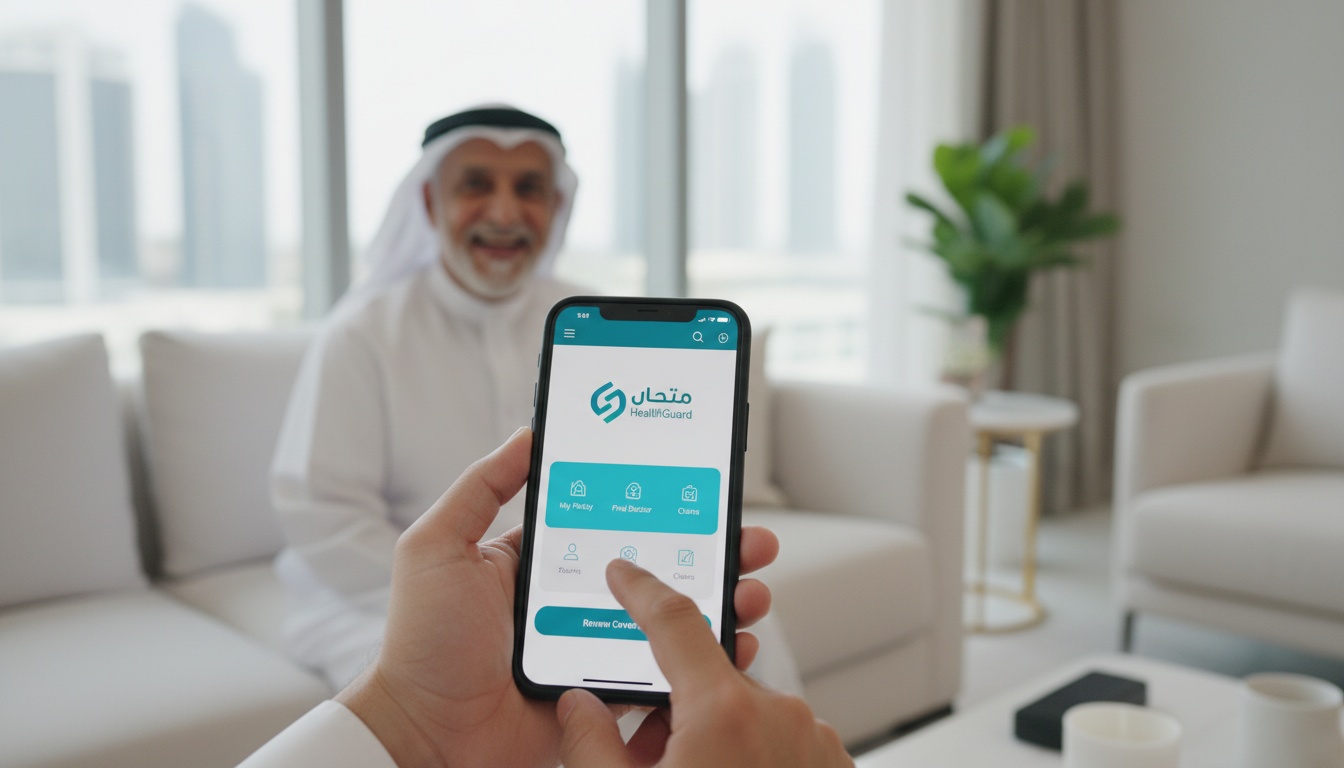
Compare & Choose a Plan
6-Step Checklist for Transitioning Your Parents to a Telehealth-Enabled Plan
Switching a senior dependent to a new plan requires careful sequencing to avoid coverage gaps.
Confirm regulatory compliance first. Verify the new plan meets DHA or DoH minimums. Check icp.gov.ae for visa-linked insurance requirements before initiating any change.
Disclose all pre-existing conditions upfront. Telehealth plans use digital health declarations. Under-declaring conditions can void claims later. Chronic conditions affect loading — but non-disclosure is far more costly.
Check the digital platform's language and specialist access. Ensure the telehealth app offers geriatric or relevant specialist consultations, not just general practitioners.
Verify ER and inpatient coverage under the new plan. Telehealth-first does not mean telehealth-only. Confirm the plan includes an adequate in-person hospital network for emergencies.
Arrange continuity of prescriptions before switching. Request a 30-day prescription supply under the current plan. On activation of the new plan, use the bundled home pharmacy service to re-establish ongoing medication delivery.
Time the switch outside visa renewal windows. Insurance changes submitted simultaneously with visa renewals can delay processing. Switch at least 45 days before a renewal date.
Get a Free Quote Now
Conclusion
Bottom line: Parents' health insurance in the UAE is becoming smarter and more affordable in 2026, driven by telehealth-first plan structures that cut premiums without sacrificing mandatory benefit compliance. Families who proactively switch elderly parents to compliant virtual-care plans stand to save thousands of dirhams annually while giving their parents access to convenient, continuous care.
Short Summary: Learn how telehealth-first plans in 2026 can reduce UAE parents' health insurance premiums by up to 20% while staying DHA and DoH compliant.
Meta Description: Parents' insurance in UAE 2026: discover how telehealth-first plans cut senior premiums by 20%. DHA and DoH compliant options explained. Compare now.
Slug: parents-insurance-2026-telehealth-cut-premium-costs-uae
Explore Plans →
FAQ
Can telehealth-first plans satisfy DHA and Abu Dhabi DoH mandatory requirements?
Yes, provided the plan meets the minimum benefit thresholds set by each regulator. In 2026, both DHA and DoH recognize virtual consultation as a valid primary care delivery method. The compliance test is on benefit levels, not delivery channel.
Do UAE insurance providers cover medicine delivery after a virtual consultation?
Most telehealth-integrated plans in 2026 bundle home pharmacy delivery as a standard feature. Coverage limits and formulary restrictions apply, so confirm included medications with your insurer before enrolling.
How do pre-existing conditions affect the cost of telehealth-based parents' insurance?
Pre-existing conditions typically result in premium loading or waiting periods, regardless of plan type. Telehealth plans do not remove these loadings, but the lower base premium means the final cost is often still lower than a traditional plan with the same condition loading applied.
Is a physical check-up still required for visa medical residency renewals in 2026?
Yes. The ICP (Federal Authority for Identity, Citizenship, Customs and Port Security) still requires a physical medical fitness examination for residence visa issuance and renewal. Telehealth consultations do not substitute for this requirement.
What happens if my parent requires urgent in-person ER care on a virtual-first plan?
Telehealth-first plans include emergency and inpatient coverage under an approved hospital network. Virtual-first refers to the primary care pathway only. Emergency department visits are covered as standard — always verify the ER network hospitals listed in your policy schedule.
Editorial note: This article is for general information and does not constitute insurance advice. Always confirm terms with your insurer.