







Travel Insurance
Pregnancy Travel Insurance UAE 2026: Airline Rules and Tips

Flying while pregnant in 2026 comes with stricter scrutiny than ever before. UAE-based expectant mothers planning international trips face a dual challenge: airlines implementing rigorous gate-level medical checks and travel insurance policies with specific pregnancy-related exclusions. Understanding where airline policies end and insurance coverage begins—or doesn't—can prevent costly surprises and travel disruptions. This guide explains the 2026 regulatory landscape for pregnant travelers departing from the UAE.
The 2026 Landscape: Why Airlines Deny Boarding to Pregnant Travelers
Airlines globally—including Emirates, Etihad, and flydubai—have intensified medical documentation requirements in 2026 following increased liability claims from in-flight medical emergencies. Gate agents now routinely ask passengers who appear visibly pregnant to present valid medical clearance certificates.
The core reason for denial: Airlines worry about the risk of premature labor at 35,000 feet, where emergency medical intervention is limited. Most carriers consider passengers past 36 weeks (single pregnancy) or 32 weeks (multiple pregnancy) as high-risk. Without proper documentation proving fitness to fly, boarding can be refused—even if you hold a confirmed ticket.
Key triggers for 2026 denials include:
- No medical certificate when traveling after Week 28
- Expired certificates (most are valid only 7-10 days from issue date)
- Incomplete forms lacking specific airline-required fields (expected due date, complications status)
- Visual assessment by cabin crew if pregnancy appears advanced despite documentation
The Ministry of Health and Prevention (MOHAP) oversees health standards but does not regulate airline-specific pregnancy policies, leaving carriers with discretion to implement their own rules. Check the UAE government's official health portal for general travel health guidelines.
Ready to protect your travel investment?
Get Travel Insurance on licensed platforms
Understanding UAE Travel Insurance: Coverage vs. Pregnancy Exclusions
Most UAE travel insurance policies draw a clear line between "normal pregnancy" and "unforeseen pregnancy complications." Here's what that means for your coverage in 2026:
What's typically EXCLUDED:
- Routine prenatal care or check-ups abroad
- Normal, uncomplicated childbirth
- Elective procedures or planned deliveries
- Travel undertaken against medical advice
- Claims arising after a specific gestational week (usually 26-31 weeks, varying by insurer)
What MAY be covered (if within policy limits):
- Emergency complications: severe pre-eclampsia, placental abruption, ectopic pregnancy
- Premature birth occurring unexpectedly before 37 weeks
- Emergency caesarean sections due to sudden complications
- Medical evacuation if local facilities cannot manage the emergency
The critical factor: complications must be unforeseen and medically necessary. If you traveled knowing you had a high-risk pregnancy or against doctor's orders, insurers may deny claims as "preventable."
UAE-licensed insurers regulated by the Central Bank of the UAE must clearly state pregnancy exclusions in their policy documents. When comparing travel insurance plans on licensed platforms, pay special attention to the "Maternity and Pregnancy" clause in the fine print.
For families planning multiple trips in 2026, understanding coverage differences is essential. Learn more about choosing between single-trip and multi-trip travel insurance options.
Looking for comprehensive pregnancy coverage?
Compare Travel Insurance Plans on licensed platforms
Comparing Popular UAE Airline Policies and Insurance Cut-off Weeks
Understanding how airline boarding rules align—or clash—with insurance coverage windows is crucial for safe travel planning in 2026.
UAE Carrier Pregnancy Rules vs. Common Insurance Coverage Windows
| Category | Emirates / Etihad Policy (Typical) | Standard UAE Travel Insurance | Comprehensive / Premium Plans |
|---|---|---|---|
| Single Pregnancy Cut-off | Up to end of 36th week with certificate; no travel after | Coverage ends at 28-31 weeks | May extend to 32-34 weeks with rider |
| Multiple Pregnancy Cut-off | Up to end of 32nd week with certificate; no travel after | Coverage ends at 26-28 weeks | May extend to 30 weeks with rider |
| Medical Certificate Validity | Must be dated within 10 days of flight | Not directly verified, but needed for claims | Same as standard |
| Fit-to-Fly Requirements | Doctor's signature, expected due date, complication status | Must align with policy terms if claiming | Enhanced verification for high-value claims |
| Emergency Birth Coverage | Airline not responsible for medical costs | Covered if complications arise before cut-off week | Higher limits (up to AED 500,000+) |
Key mismatch: An airline might allow you to board at 34 weeks with a certificate, but your insurance may have stopped covering pregnancy complications at Week 30. This creates a coverage gap where you're allowed to fly but financially unprotected if something goes wrong.
Not sure which plan offers the best protection?
Compare Options on licensed platforms
Compare & Choose a Plan
Essential Checklist: Securing Your 2026 'Fit-to-Fly' Clearance
To avoid denied boarding and ensure insurance alignment, follow this comprehensive preparation checklist:
1. Confirm Your Gestational Age
- Calculate your pregnancy week accurately before booking
- Account for your return flight date—you'll be further along when traveling back
2. Review Your Travel Insurance Policy
- Check the exact week cut-off for pregnancy coverage
- Verify whether your destination requires minimum medical limits (Schengen requires €30,000; USA visits often need $100,000+)
- Confirm pre-existing condition clauses don't exclude your pregnancy
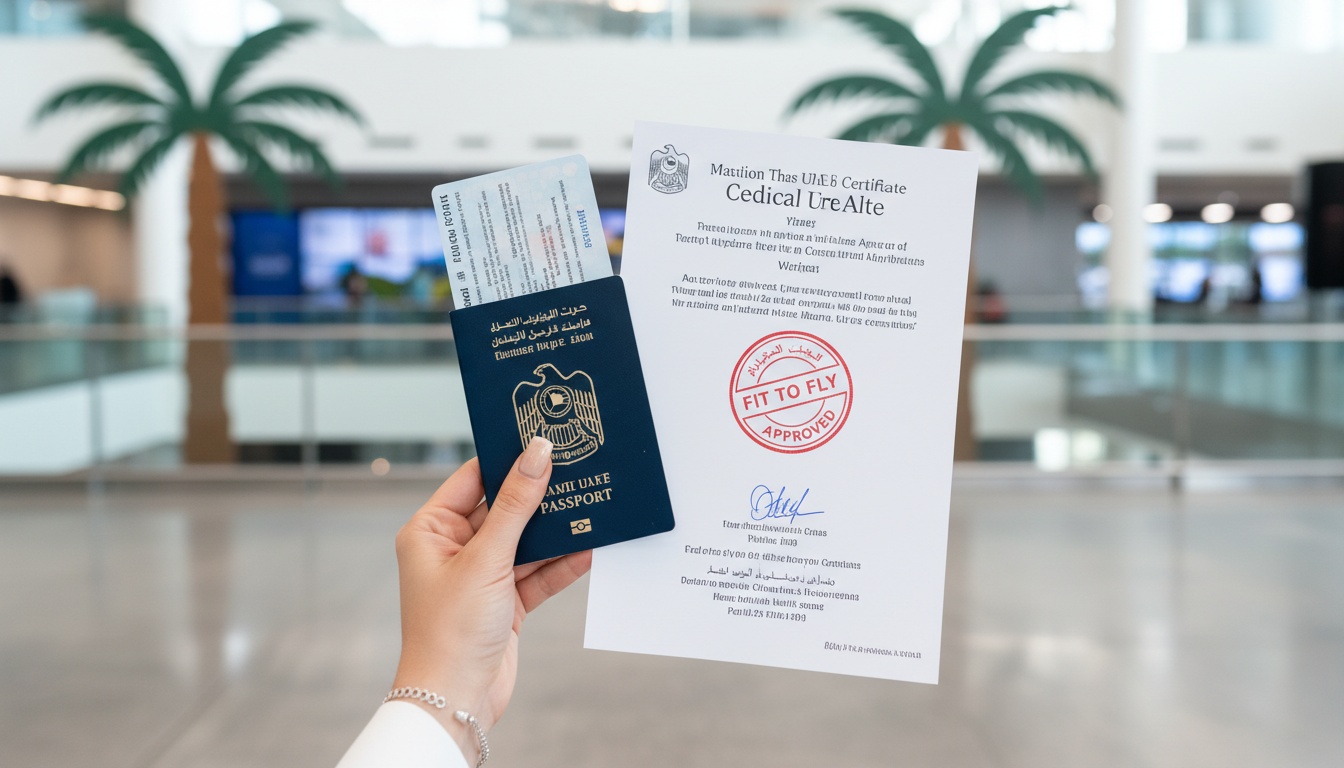
3. Obtain Medical Documentation
- Schedule an appointment with your OB/GYN 7-10 days before departure
- Request an airline-specific "fit-to-fly" letter including:
- Your full name and passport details
- Expected delivery date
- Confirmation of single/multiple pregnancy
- Statement of no complications and fitness for air travel
- Doctor's signature, license number, and clinic stamp
4. Check Airline-Specific Forms
- Some carriers (Emirates, for example) provide downloadable medical forms (MEDIF)
- Complete these in advance with your doctor's assistance
- Bring multiple printed copies—keep one in your carry-on
5. Prepare for Gate-Level Questions
- Have your medical certificate easily accessible
- Be ready to present it proactively at check-in and boarding
- Consider carrying a copy of your insurance policy showing pregnancy coverage
6. Align Your Coverage with Your Destination
- High-cost medical destinations (USA, Switzerland, UK) require enhanced limits
- Dubai Health Authority (DHA) recommends coverage of at least AED 150,000 for international travel—check DHA guidelines
- Schengen visa applications mandate compliant insurance with pregnancy terms clearly stated
7. Have a Contingency Plan
- Identify hospitals at your destination that accept international insurance
- Save emergency contact numbers for your insurer's 24/7 assistance line
- Consider medical evacuation coverage if traveling to regions with limited obstetric facilities
Don't leave your health and finances to chance.
Get Comprehensive Travel Insurance Today
Get a Free Quote Now
Conclusion
Bottom line: Pregnant travelers in 2026 face stricter airline documentation requirements and nuanced insurance coverage that requires careful planning. The key is synchronizing your gestational age, airline policy limits, and insurance cut-off weeks before booking. Failing to secure proper medical clearance can result in denied boarding with no compensation, while traveling beyond your policy's pregnancy coverage window leaves you financially exposed to emergency medical costs that can exceed AED 200,000 abroad.
Explore Plans →
FAQ
Can I claim travel insurance if the airline refuses me boarding due to pregnancy?
Generally, no. Denied boarding due to missing or invalid medical documentation is considered a preventable passenger error. Your insurance's trip cancellation or interruption coverage typically excludes situations where you failed to meet the airline's published requirements. Always obtain and carry proper fit-to-fly certificates.
Does UAE travel insurance cover emergency C-sections or premature birth abroad?
Comprehensive plans often cover unforeseen complications leading to emergency caesareans or premature labor if the incident occurs before your policy's pregnancy cut-off week (typically 26-31 weeks). Routine, planned deliveries or travel undertaken specifically for childbirth are excluded.
What is the difference between a 'fit-to-fly' note and a medical clearance form?
A 'fit-to-fly' note is a general letter from your doctor confirming you're medically cleared for air travel. A medical clearance form (like MEDIF) is an airline-specific document with standardized fields about your pregnancy status, due date, and complications. Major carriers often require their own forms beyond a simple doctor's note.
Does 'Schengen-compliant' insurance automatically cover pregnancy complications?
Not necessarily. While Schengen insurance meets minimum medical coverage of €30,000, it may still exclude pregnancy claims after a certain week or exclude normal childbirth altogether. Always verify pregnancy-specific clauses separately from Schengen compliance when purchasing coverage for European travel.
Will my insurance pay for trip cancellation if a doctor advises against travel late in pregnancy?
It depends on your policy and timing. If your doctor issues new medical advice after you've purchased insurance (due to unforeseen complications), some policies may cover cancellation costs. However, if you bought insurance knowing you had a high-risk pregnancy, or if the advice came after your policy's pregnancy cut-off week, claims may be denied.
At how many weeks do most UAE insurers stop covering pregnancy-related claims?
Standard policies typically stop covering pregnancy complications between 28-31 weeks of gestation. Premium or specialized plans may extend coverage to 32-34 weeks. Always check your specific policy document—coverage varies significantly by provider and plan tier.
Editorial note: This article is for general information and does not constitute insurance advice. Always confirm terms with your insurer.