






Motor Insurance
Chinese Car Repairs and Warranty Guide UAE 2026 | eSanad
Choosing a non-agency repair shop for your Chinese car might save you money upfront, but it could cost you far more in voided warranties and rejected insurance claims. With Chinese EVs and software-driven vehicles dominating UAE roads in 2026, understanding how repair choices impact your coverage has never been more critical. This guide explores the hidden risks of third-party repairs and how they affect your Chinese car's warranty and motor insurance claim validity.
Understanding Agency vs. Non-Agency Repair for Chinese Vehicles in the UAE
The UAE automotive landscape in 2026 presents vehicle owners with a critical choice: authorized agency repairs or independent garages. For Chinese car brands like BYD, MG, Geely, Zeekr, and Avatr, this decision carries significantly higher stakes than traditional internal combustion engine (ICE) vehicles.
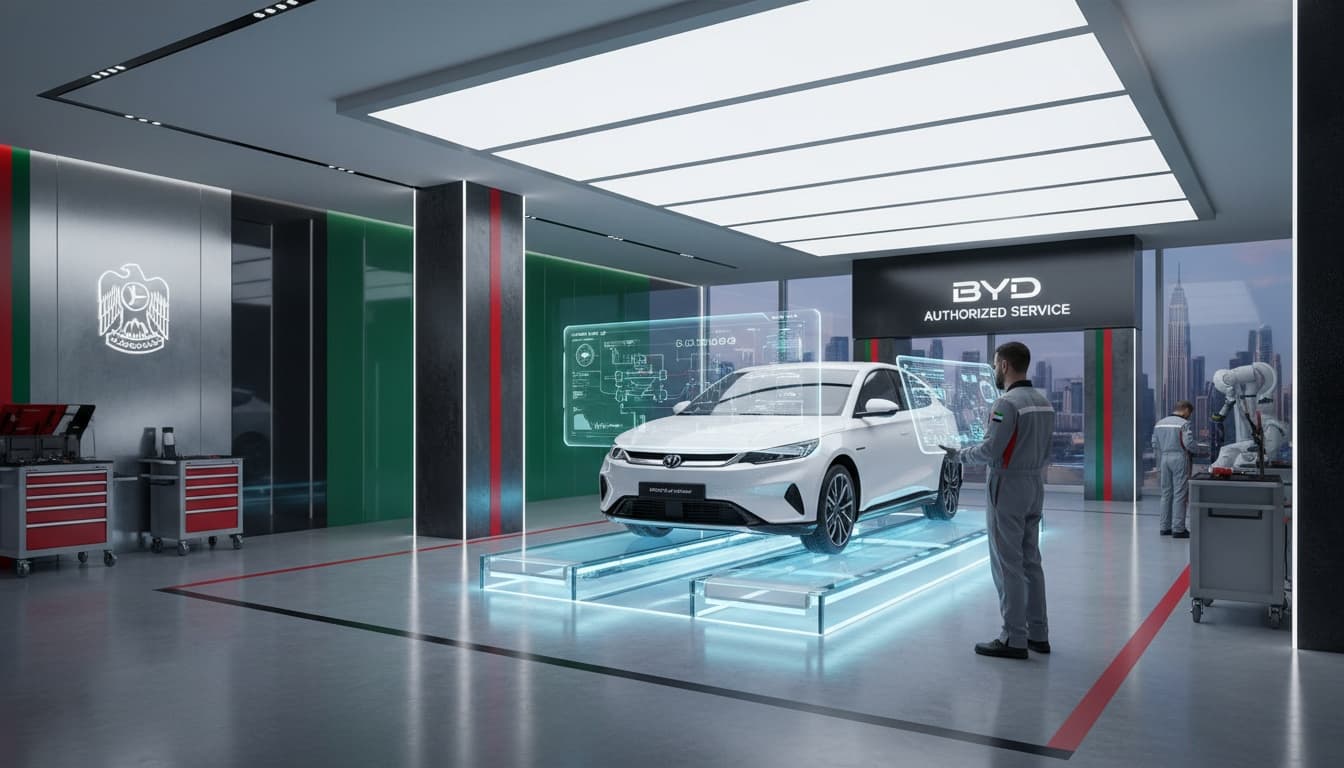
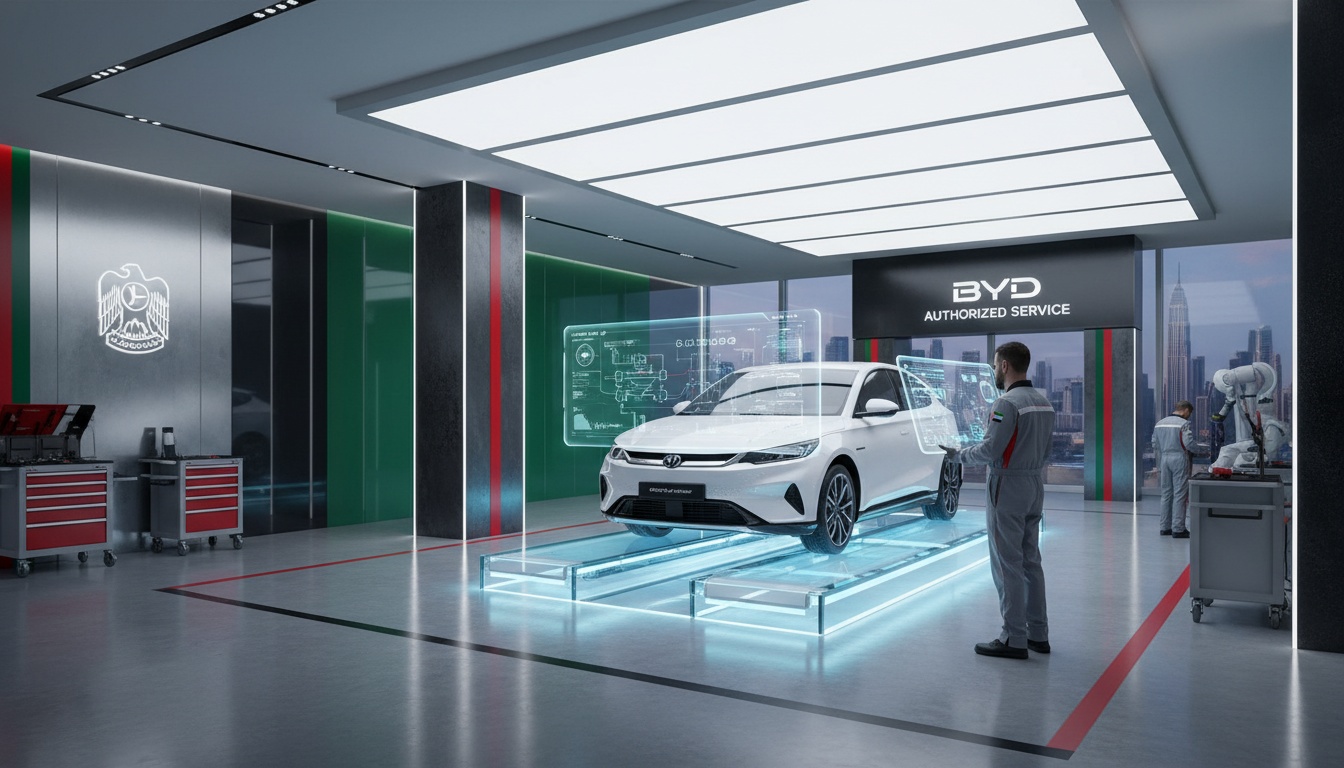
Agency repairs are performed by manufacturer-authorized service centers operated by official UAE distributors such as Al Futtaim Motors, AW Rostamani, or other licensed dealers. These facilities have direct access to Original Equipment Manufacturer (OEM) diagnostic tools, genuine parts, and manufacturer training programs.
Non-agency repairs take place at independent garages not affiliated with the vehicle manufacturer. While these facilities may offer competitive pricing and convenience, they typically lack access to proprietary diagnostic software and OEM-certified components essential for modern Chinese vehicles.
The distinction becomes crucial when considering insurance policies. Most comprehensive car insurance plans in the UAE include repair location clauses that specify where accident damage must be addressed. For vehicles under manufacturer warranty—typically Chinese cars less than three years old in 2026—repair location directly impacts warranty validity.
Key factors distinguishing these repair types include:
- Diagnostic capability: Chinese EVs require brand-specific scan tools to access battery management systems, ADAS (Advanced Driver Assistance Systems) modules, and software update protocols
- Parts authenticity: Non-agency garages often source aftermarket or refurbished components that may trigger warranty voidance clauses
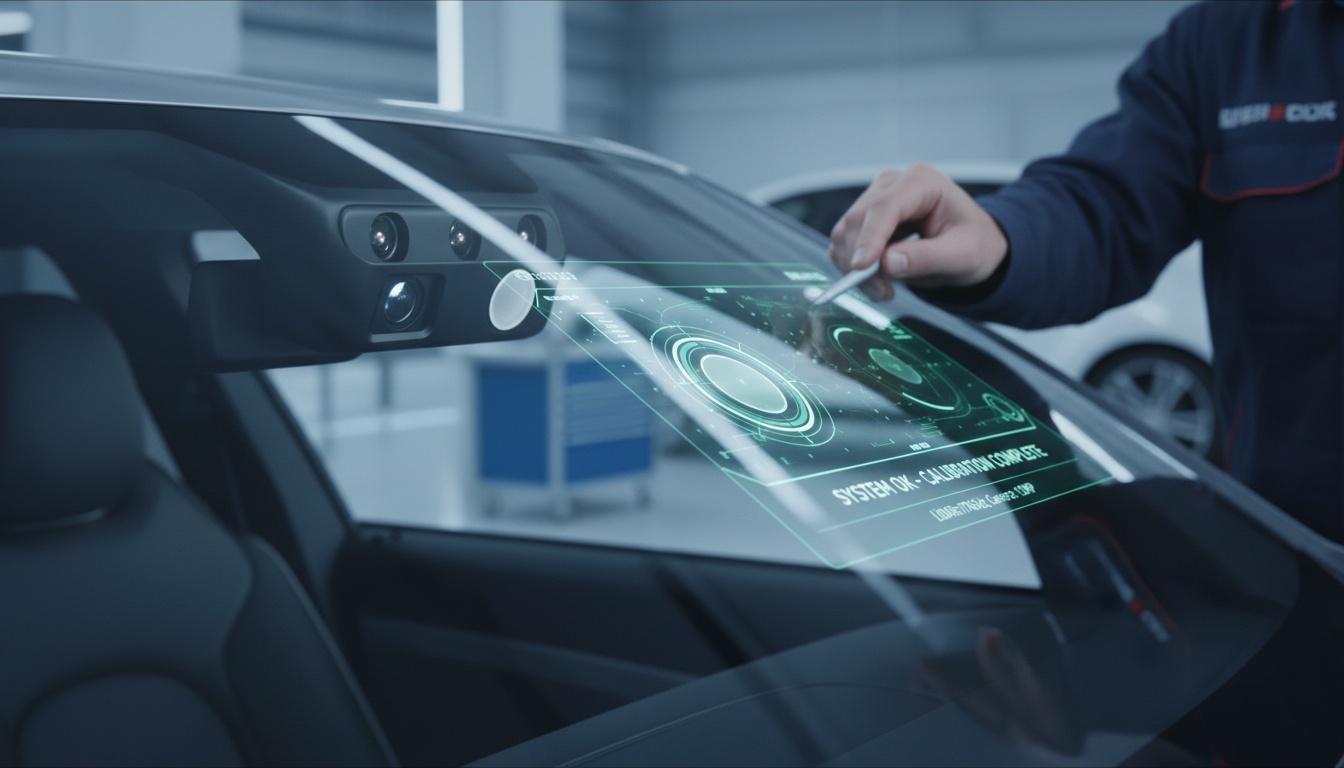
- Calibration accuracy: LiDAR sensors, cameras, and radar systems in 2026 Chinese vehicles demand millimeter-precise calibration available only through OEM equipment
- Documentation trail: Agency repairs automatically integrate with manufacturer warranty databases, while non-agency work requires manual proof submission
When comparing motor insurance plans, UAE residents should verify whether their policy includes "agency repair" coverage or allows garage selection flexibility.
The 2026 Warranty Trap: Why Software-Driven Cars Like BYD and Geely Require Certified Repairs
Chinese automotive manufacturers have revolutionized vehicle technology by 2026, but this innovation creates unique warranty vulnerabilities. Unlike conventional ICE vehicles where warranties primarily cover mechanical components, modern Chinese cars integrate software-dependent systems where repair choices can void entire coverage packages.
The Software Integration Challenge
Brands like BYD, MG, and Geely in 2026 feature centralized electronic architectures where seemingly minor repairs trigger cascading system updates. A simple bumper replacement on a BYD Seal might require recalibrating front radar sensors, updating collision avoidance algorithms, and resetting parking assist parameters—procedures impossible without manufacturer-approved diagnostic equipment.
Non-agency garages attempting these repairs often generate "ghost" error codes—permanent fault markers in the vehicle's electronic control units (ECUs) that manufacturers use to deny warranty claims. Even if the garage successfully completes the physical repair, the software trail reveals unauthorized access, potentially voiding coverage for:
- Battery health warranties: High-voltage systems in Chinese EVs contain safeguards that log unauthorized access attempts. Opening battery compartments without OEM tools can immediately invalidate 8-year battery warranties worth tens of thousands of dirhams.
- ADAS coverage: Lane-keeping, adaptive cruise control, and automatic emergency braking systems require post-repair validation through manufacturer servers. Non-agency repairs lack this authentication capability.
- Infotainment and connectivity: Over-the-air (OTA) update eligibility may be suspended if unauthorized repair markers exist in vehicle software.
UAE Distributor Policies in 2026
Major Chinese car distributors in the UAE enforce strict warranty terms regarding repair authorization. Al Futtaim's BYD division, for example, explicitly states that body panel replacements affecting sensor mounting points must be performed at authorized centers to maintain warranty validity. AW Rostamani's MG warranty documentation similarly specifies that third-party electrical work voids powertrain coverage.
The 2026 landscape presents additional complexity with ADAS calibration costs. Recalibrating LiDAR and camera systems on premium Chinese models like Zeekr or Avatr can exceed AED 5,000—costs that non-agency insurance policies may not fully cover, leaving owners with substantial out-of-pocket expenses.
How Non-Agency Repairs Impact Insurance Claim Settlements and Total Loss Thresholds
The financial implications of non-agency repairs extend beyond warranty concerns, directly affecting insurance claim processing and vehicle valuation in the UAE's 2026 market.
Claim Settlement Complications
When filing an insurance claim for a Chinese vehicle repaired at a non-agency garage, insurers may:
Reduce settlement amounts: Insurers calculate depreciation differently for vehicles with mixed repair histories. Non-OEM parts typically trigger 15-25% higher depreciation rates when determining claim payouts.
Dispute causation: If a repaired component fails again, insurers may argue the non-agency repair caused the subsequent damage, potentially denying coverage entirely.
Invalidate total loss calculations: UAE insurance policies determine total loss when repair costs exceed 50-70% of vehicle market value. Non-agency repairs complicate these calculations, as insurers question whether proper diagnosis occurred.
Total Loss Threshold Acceleration
Chinese vehicles in 2026 reach total loss thresholds faster than traditional cars due to integrated component pricing. A BYD Atto 3's front-end collision might require:
- Front radar module: AED 4,500
- LiDAR sensor: AED 6,800
- Front camera cluster: AED 3,200
- Software recalibration: AED 1,500
- Structural repairs: AED 8,000
Total: AED 24,000 for a vehicle valued at AED 90,000—already 26.7% of market value. Non-agency repairs using aftermarket parts might reduce immediate costs to AED 15,000, but subsequent warranty-voided battery issues could push total repair history beyond total loss thresholds, forcing premature vehicle write-offs.
Comparison Table: Agency vs. Non-Agency Repair Impact on Chinese Car Ownership (2026)
| Feature/Factor | Agency Repair (Authorized) | Non-Agency (Independent Garage) |
|---|---|---|
| Manufacturer Warranty | Remains fully intact | High risk of voidance (software/EV battery) |
| ADAS & Sensor Calibration | OEM-certified hardware & updates | Potential calibration mismatch |
| Insurance Claim Processing | Streamlined with full documentation | May face settlement disputes |
| Resale Value (UAE Market) | High (full service history maintained) | Lower (perceived risk by second-hand buyers) |
| Parts Authenticity | 100% genuine OEM components | Aftermarket/refurbished parts |
| Software Update Eligibility | Full OTA and recall access | Possible suspension of remote updates |
| Battery Health Certification | Valid for warranty duration | Invalidated if high-voltage system accessed |
| Average Repair Cost | 20-30% higher initial expense | Lower upfront but potential long-term costs |
Not sure which repair option your policy covers? Compare & Choose on licensed platforms
Compare & Choose a Plan
Critical Checklist: Protecting Your Warranty During the Motor Insurance Renewal Process
As you approach your 2026 motor insurance renewal, follow this systematic checklist to safeguard your Chinese car's warranty while optimizing coverage:
Before Renewal (30 Days Prior)
- Review current warranty status: Contact your vehicle distributor to confirm remaining warranty duration and coverage scope
- Document existing repairs: Collect invoices and completion certificates from all previous repair work
- Verify repair clause: Examine your expiring policy's garage selection terms—does it mandate agency repairs for warranty-protected vehicles?
- Request battery health report: For EVs, obtain an official battery state-of-health (SOH) certificate from your authorized dealer
During Policy Comparison (15 Days Prior)
- Compare repair network options: When reviewing quotes from top comprehensive insurance providers, prioritize those with extensive authorized Chinese brand partnerships
- Verify agency repair add-ons: Calculate the premium difference for policies with guaranteed agency repairs versus flexible garage selection
- Check ADAS coverage specifics: Ensure calibration costs are explicitly covered, not excluded as "electronic accessories"
- Confirm total loss thresholds: Understand at what percentage of vehicle value your insurer declares total loss
Post-Purchase Documentation (Immediately)
- Retain warranty certification letters: Request written confirmation from your insurer that your policy structure maintains manufacturer warranty validity
- Establish repair authorization protocol: Create a contact sheet with your insurer's claims department, authorized garage locations, and distributor warranty hotline
- Enable digital tracking: Use your insurer's mobile app to document pre-existing condition photos and mileage
Red Flags to Avoid
- Policies with blanket "electronic exclusions" that could deny ADAS-related claims
- Insurers without partnership agreements with major Chinese car distributors in the UAE
- Policies requiring pre-approval for repairs above AED 1,000 (creates delays for emergency collision repairs)
- No provision for OEM parts in comprehensive coverage terms
To explore available insurance options protecting both warranty and repair quality, readers may visit licensed digital insurance platforms.
Get a Free Quote Now
Conclusion
Bottom line: Non-agency repairs on Chinese cars in 2026 UAE present significant risks to manufacturer warranties, insurance claim validity, and vehicle resale value. The complexity of software-integrated systems, ADAS calibration requirements, and EV battery protocols demands certified repair approaches. When selecting your motor insurance coverage, prioritize policies that support authorized repairs while understanding how repair choices impact long-term ownership costs.
Explore Plans →
FAQ
Does repairing my MG at a non-agency garage automatically void my entire warranty?
Not automatically for all repairs. Routine maintenance like oil changes can typically be performed anywhere using correct specifications. However, accident repairs affecting electronic systems, bodywork with integrated sensors, or high-voltage components (in EVs) will likely void warranty coverage for related systems. Always check your specific warranty terms with your UAE distributor before authorizing non-agency collision repairs.
Can my UAE insurer force me into a non-agency repair if my Chinese car is less than two years old?
UAE insurance regulations protect consumer choice, but policy terms vary. Comprehensive policies often include "agency repair" clauses for newer vehicles, while third-party policies may not. Review your policy's "Repair and Replacement" section—if it specifies agency repairs for vehicles under manufacturer warranty, the insurer must honor this. If unclear, the UAE Insurance Authority provides dispute resolution services.
How does 2026 ADAS calibration affect the cost of non-agency repair claims?
ADAS calibration costs (AED 3,000-7,000 for Chinese brands) often exceed non-agency repair savings. If your policy doesn't explicitly cover "post-repair electronic calibration," you'll pay out-of-pocket. Additionally, improper calibration at non-certified facilities may cause system malfunctions that insurers exclude from future coverage, creating ongoing liability.
What documents do I need from a garage to prove my warranty is still valid?
Request: (1) Itemized invoice with parts manufacturer details, (2) Completion certificate signed by certified technician, (3) Written confirmation that OEM diagnostic procedures were followed, (4) Photos of serial numbers on replaced components, and (5) Electronic repair order upload to manufacturer warranty database. Without database integration, you bear the burden of proving warranty compliance during future claims.
Is it possible to add 'Agency Repair' coverage to an older Chinese car model?
Some UAE insurers offer agency repair endorsements for vehicles beyond manufacturer warranty periods, typically at 8-15% premium increases. This proves valuable for maintaining resale value and ensuring proper ADAS servicing. When comparing motor insurance options, specifically inquire about retrofit agency repair clauses for vehicles 3-5 years old.
What should I do if a non-agency repair leads to battery failure in my Chinese EV?
Immediately document the failure with photos and diagnostic reports. Contact your vehicle distributor to determine if the failure qualifies under warranty or represents repair-induced damage. File a dual claim with both your insurer (for immediate costs) and potentially against the repair facility (for negligence). Retain all communication records—UAE consumer protection laws under the Ministry of Economy provide recourse for improper automotive services, though proving causation requires expert assessment.
Editorial note: This article is for general information and does not constitute insurance advice. Always confirm terms with your insurer.