






Motor Insurance
Why Chinese Cars Face More Total Losses in UAE (2026)
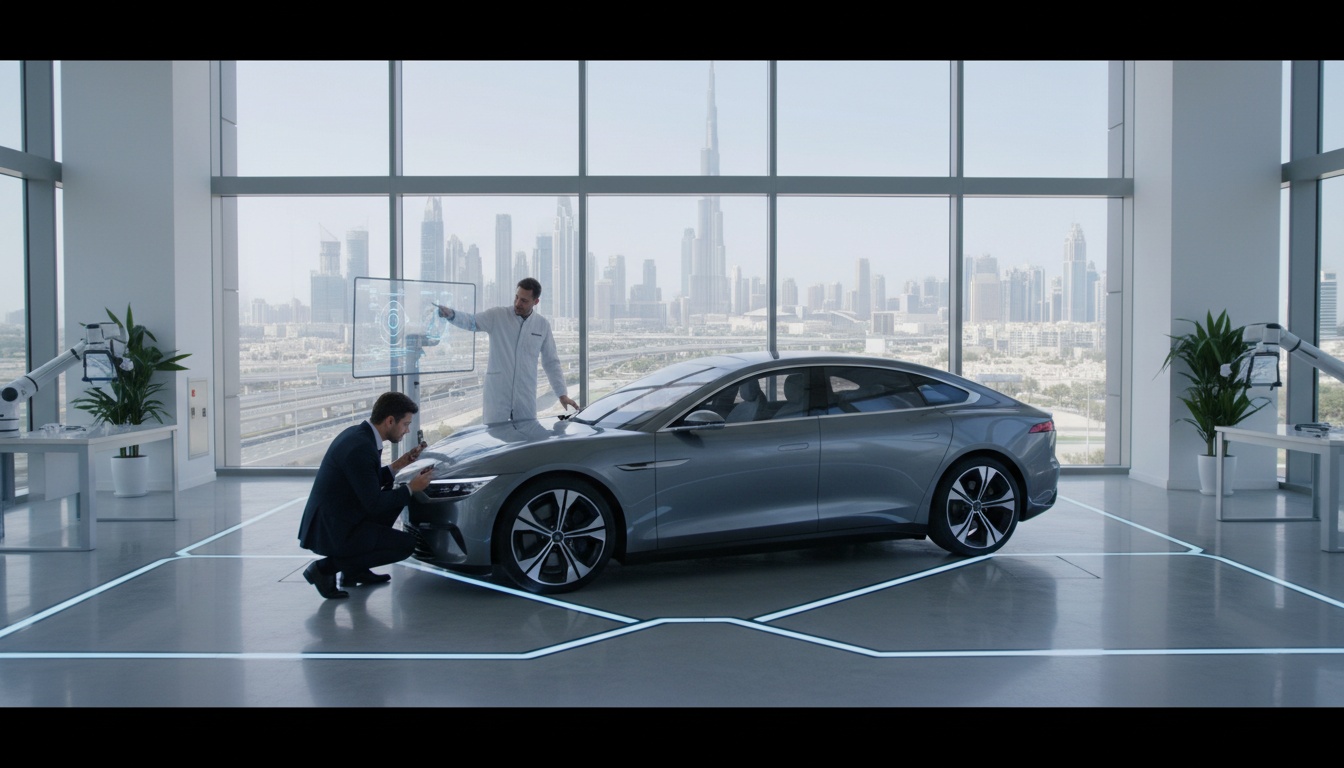
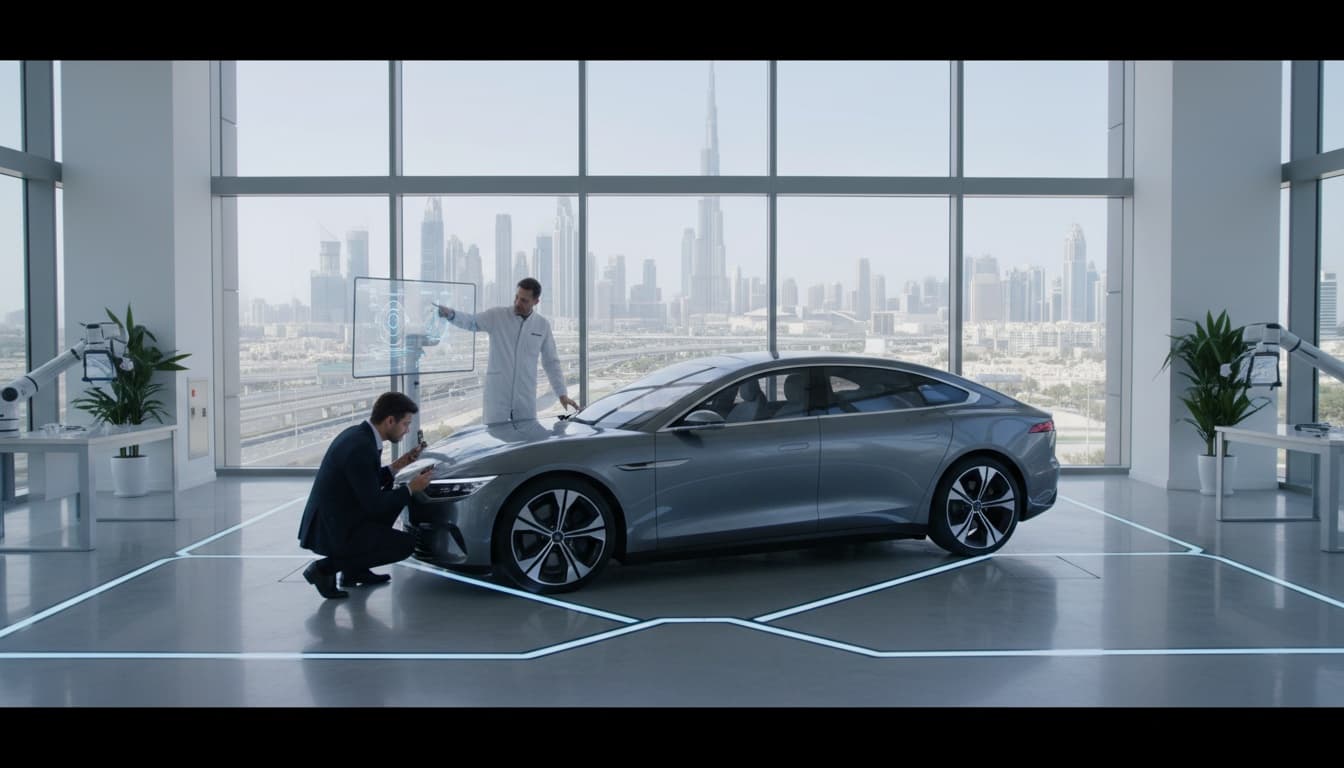
The UAE's automotive landscape has transformed dramatically with the influx of Chinese vehicle brands—from BYD's electric sedans to MG's hybrid SUVs. However, a troubling trend has emerged in 2026: these vehicles are being declared "total losses" by insurers at unprecedented rates, even after relatively minor accidents. For UAE residents who've invested in these cost-effective alternatives to traditional brands, understanding why their vehicles get written off faster—and what this means for insurance premiums and resale value—has become crucial.
The Economics of Total Loss: How UAE Insurers Calculate the 50% Threshold
When your vehicle is damaged in an accident, UAE insurance companies perform a critical calculation: comparing repair costs against your car's current market value. Industry standard dictates that if repairs exceed 50% of the vehicle's actual cash value (ACV), the insurer declares it a "total loss" and settles the claim based on the pre-accident market value rather than paying for repairs.
For Chinese brand vehicles in 2026, this threshold is reached alarmingly quickly due to three economic realities:
- Accelerated depreciation: Chinese cars typically lose 25-35% of their value in the first year compared to 15-20% for established brands like Toyota or Nissan
- High agency repair costs: Authorized repair centers charge premium rates, often AED 400-600 per hour for specialized EV technicians
- Parts monopoly: Without aftermarket or "green" (used) parts markets, owners must source components directly from agencies at manufacturer retail prices
Consider a 2025 BYD Seal purchased for AED 120,000: by March 2026, its market value may have dropped to AED 85,000. A moderate front-end collision requiring bumper replacement, sensor recalibration, and headlight module replacement could easily cost AED 45,000—exceeding the 50% threshold (AED 42,500) and triggering a total loss declaration.
Understanding comprehensive vs third-party car insurance becomes even more critical for Chinese vehicle owners, as comprehensive coverage determines how total loss settlements are calculated.
4 Factors Driving the 2026 Chinese Car Write-Off Trend
1. Integrated ADAS Technology
Modern Chinese EVs and hybrids feature Advanced Driver Assistance Systems (ADAS) where sensors, cameras, and lidar units are structurally integrated into body panels. Unlike modular systems in traditional vehicles, a minor bumper impact on a BYD Han or Zeekr X requires:
- Complete bumper assembly replacement (cannot be repaired separately)
- Recalibration of forward-facing radar and cameras at authorized facilities
- Software updates and diagnostic testing (often 2-3 days of labor)
The 2026 introduction of "City NOA" (Navigate on Autopilot) technology adds high-resolution lidar units costing AED 8,000-12,000 each to front and rear bumpers—the most frequently damaged areas in urban collisions.
2. Parts Availability Crisis
Unlike Toyota or Ford vehicles where third-party and aftermarket parts are readily available across Dubai's Al Awir or Sharjah's Industrial Area, Chinese brands maintain strict agency-only distribution networks. This creates:
- Extended wait times: Parts shipped from China can take 4-8 weeks, during which insurers pay rental car costs (AED 150-250 daily)
- No price competition: Single-source parts pricing eliminates cost-saving alternatives
- Qualified technician shortage: Only 23% of non-agency workshops in the UAE have certified technicians for Chinese EV architectures as of March 2026
3. Battery Replacement Economics
Even minor accidents can compromise battery pack integrity in EVs. A rear-end collision affecting the battery housing may not cause visible damage but can trigger safety protocols requiring full battery replacement—a cost exceeding AED 60,000 for many models. Insurers cannot take the liability risk of clearing a potentially compromised battery system, leading to automatic total loss declarations.
4. Rapid Market Value Depreciation
The flood of new Chinese models entering the UAE market monthly creates downward price pressure on existing inventory. Owners of 2024-2025 models are discovering their vehicles' resale values have plummeted 30-40% by 2026, largely due to:
- Manufacturer incentives on newer models (zero-interest financing, extended warranties)
- Technology obsolescence (2024 models lack City NOA and latest battery chemistry)
- Perception challenges around long-term reliability and service network maturity
Comparison: Repair Costs vs. Market Value (Chinese Brands vs. Legacy OE)
| Factor | Chinese EV/ICE (BYD/MG/Geely) | Traditional OE (Toyota/Nissan/Ford) |
|---|---|---|
| Parts Availability | Limited; Agency-only sourcing with 4-8 week lead times | High; Wide secondary market and aftermarket suppliers |
| Sensor Integration | Unified chassis-integrated ADAS requiring complete assembly replacement | Modular, replaceable components with independent sensor units |
| Depreciation Rate (Year 1) | High (25-35% value loss) | Moderate (15-20% value loss) |
| Labor Costs | AED 400-600/hour (specialized EV technicians) | AED 200-350/hour (widely available mechanics) |
| Average Front-End Repair | AED 35,000-55,000 | AED 18,000-28,000 |
| Battery Damage Assessment | Mandatory replacement if safety compromised (AED 60,000+) | Traditional ICE: N/A; Hybrid: Modular replacement (AED 12,000-20,000) |
| Insurance Premium Impact | 15-25% higher than category average | Standard category rates |
This data, compiled from UAE motor insurance claims in Q1 2026, demonstrates why a BYD Atto 3 with a market value of AED 75,000 becomes a total loss after a repair estimate of AED 40,000, while a Toyota RAV4 valued at AED 95,000 would be repaired for the same damage costing AED 25,000.
For owners of top Chinese car brands in the UAE, understanding these cost differentials is essential for managing ownership expectations.
Compare & Choose a Plan
What UAE Owners Should Look for in a Motor Policy for Chinese Vehicles
Selecting appropriate motor insurance for Chinese brand vehicles requires scrutiny beyond premium costs. Consider these 2026-specific policy features:
1. Agreed Value vs. Market Value Coverage
- Agreed Value: Locks in a predetermined payout amount at policy inception, protecting against rapid depreciation
- Market Value: Settles claims based on current market rates, which may be significantly lower than purchase price
For rapidly depreciating Chinese brands, agreed value policies (though 8-12% more expensive) provide crucial protection.
2. Agency Repair Guarantee Ensure your policy specifies repairs at authorized brand service centers. While more expensive, this guarantees:
- Genuine parts usage
- Manufacturer warranty preservation
- Qualified technician access
- Software update authorization
3. Extended Rental Car Coverage Standard policies typically cover 14-21 days of rental car costs. For Chinese vehicles facing parts delays, seek policies offering:
- Minimum 45-day rental coverage
- Daily rental limits of AED 200+ (economy car rentals in Dubai cost AED 150-250 daily)
4. Total Loss Protection Gap Coverage If financing your vehicle, gap insurance covers the difference between insurance payout and outstanding loan balance—critical when total loss settlements may not clear your debt.
5. Roadside Assistance with EV Capability Verify that roadside assistance includes:
- Flatbed towing (many EVs cannot be towed with wheels on ground)
- Mobile charging services
- Coverage extending to remote areas (Hatta, Al Ain, eastern emirates)
Get a Free Quote Now
Conclusion
Bottom line: Chinese vehicles offer compelling value at purchase, but the 2026 repairability crisis means UAE owners face higher total loss risks due to integrated technology, parts scarcity, and accelerated depreciation. Understanding how insurers calculate the 50% threshold—and selecting motor policies with agreed value coverage, extended rental periods, and agency repair guarantees—can protect you from financial shortfalls when claims occur.
Explore Plans →
FAQ
Why is my Chinese car valued lower for insurance renewal in the UAE?
Chinese brand vehicles experience higher depreciation rates (25-35% in Year 1) compared to traditional brands due to rapid model updates, technology obsolescence, and market saturation. Insurers base renewal premiums on current market value, which declines faster for newer Chinese models. To understand how this affects your coverage options, explore comprehensive motor insurance providers in the UAE.
Does a total loss settlement cover my outstanding car loan in Dubai?
Standard motor insurance policies settle total losses based on the vehicle's actual cash value at the time of the accident, which may be less than your outstanding loan balance—especially for rapidly depreciating Chinese brands. Gap insurance (optional coverage) bridges this difference, ensuring you're not personally liable for the shortfall. Major UAE banks partnering with dealerships often include gap coverage in their auto loan packages.
Can I choose to repair my car if the insurer declares it a total loss?
Under UAE insurance regulations, once a vehicle is declared a total loss, ownership typically transfers to the insurance company upon settlement payment. You can negotiate to retain the salvage (damaged vehicle) by accepting a reduced payout, but the vehicle will receive a "salvage" designation from the RTA, affecting future registration and resale value. The RTA's 2026 salvage vehicle regulations require special inspection protocols for re-registration.
Are insurance premiums higher for Chinese car brands in 2026?
Yes, Chinese brand vehicles typically carry 15-25% higher premiums than comparable Japanese or Korean models due to elevated total loss claim frequencies, higher repair costs, and parts availability challenges. However, some insurers specializing in emerging brand coverage offer competitive rates—making comparison shopping essential.
How does the UAE RTA handle the 'total loss' registration status?
When an insurer declares a total loss, they notify the RTA, which updates the vehicle's status in the Traffic File system. The vehicle receives a "salvage" or "total loss" designation, preventing standard re-registration unless it undergoes comprehensive inspection at an authorized RTA testing center and meets safety compliance standards. As of March 2026, the RTA requires structural integrity certification from manufacturer-approved facilities for EVs before clearing salvage status.
Editorial note: This article is for general information and does not constitute insurance advice. Always confirm terms with your insurer.