






Motor Insurance
Classic Car Project Insurance UAE 2026: Restoration Guide
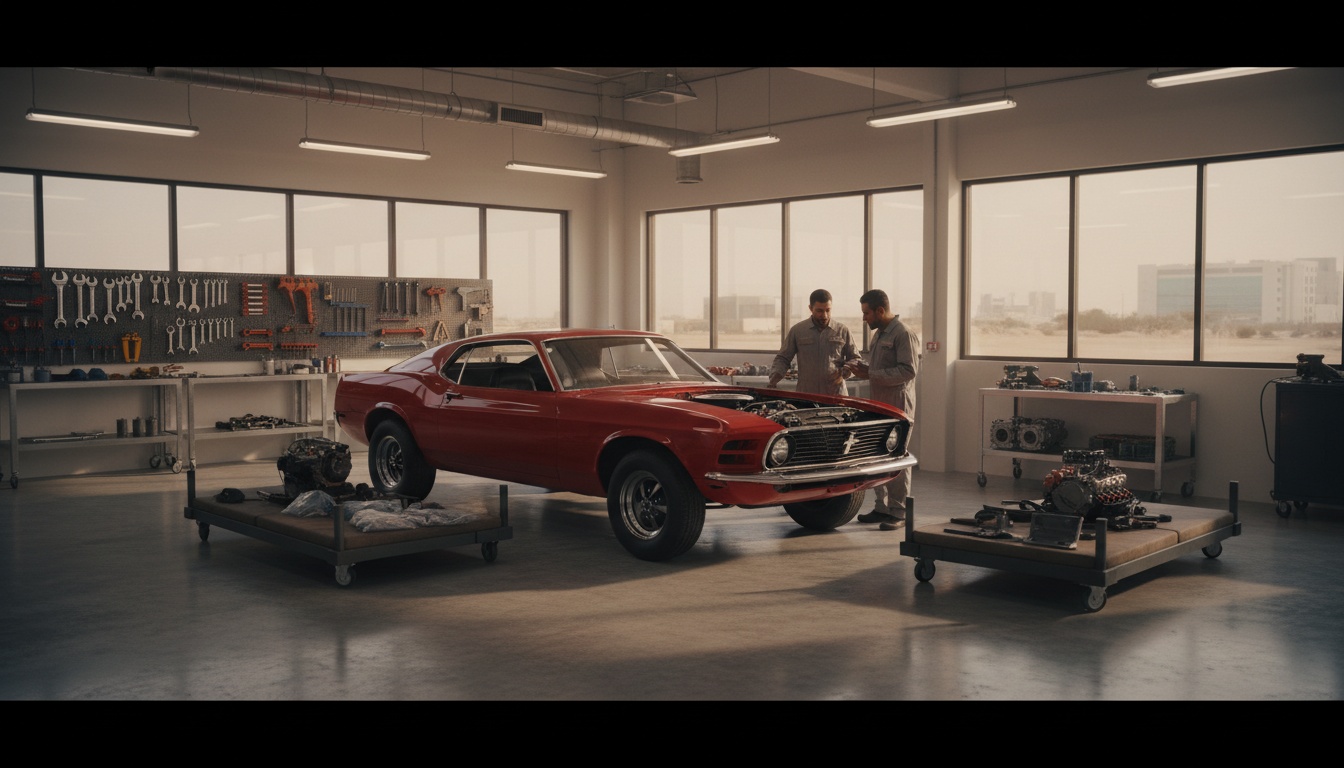
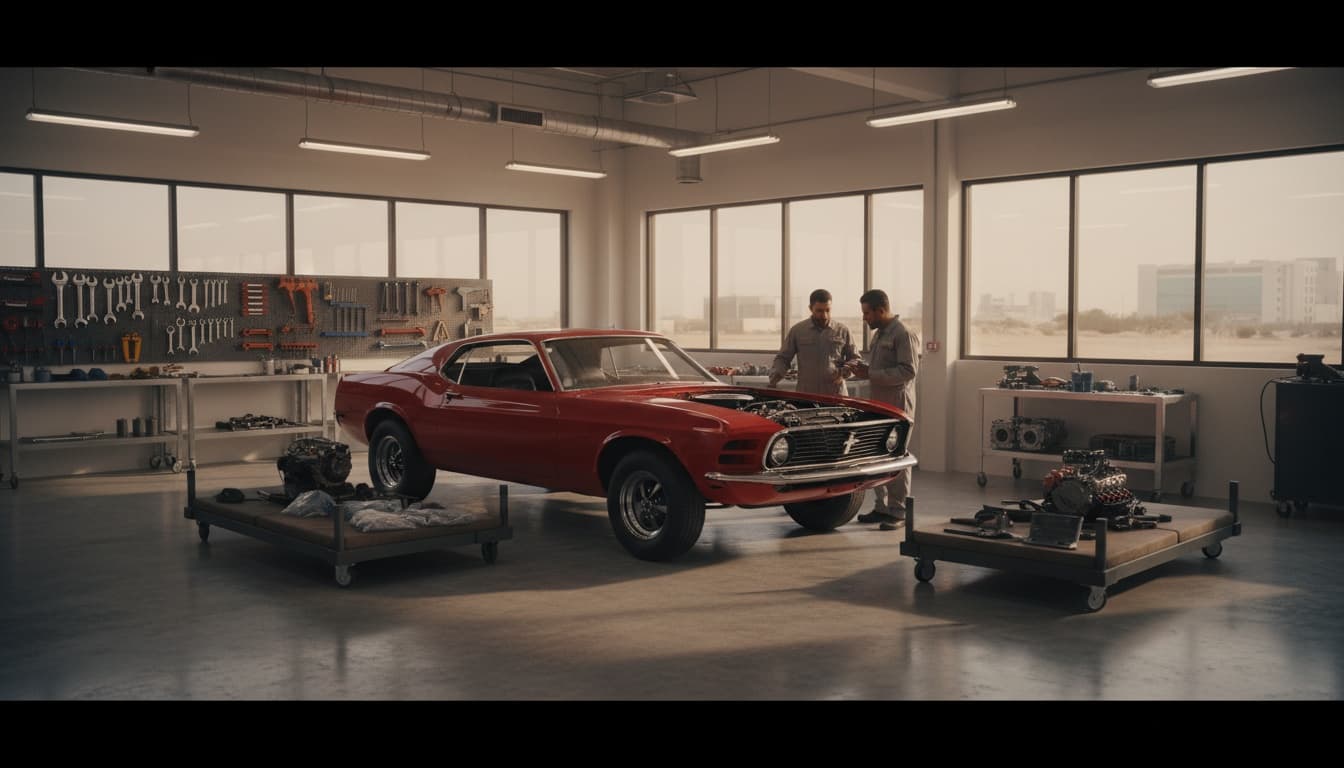
Restoring a classic car in the UAE is a passion project — but an uninsured project car sitting in an Al Quoz workshop is an exposed asset. Whether you've imported a vintage Datsun or inherited a dusty muscle car, understanding motor insurance for non-running vehicles in 2026 is essential before restoration begins. This guide covers the legal landscape, lay-up coverage options, and your roadmap to RTA Classic Plates.
Understanding the Project Car Legal Landscape in UAE 2026
A non-running project car occupies a legal grey zone in the UAE. It cannot obtain standard RTA registration — and without registration, it cannot receive the RTA Classic Plates (Categories 1 through 5) that govern insurance premiums for road-legal vintage vehicles. Yet the car still exists as a high-value asset, exposed to fire, theft, flood, and accidental damage in a storage facility or workshop.
The Road and Transport Authority (RTA) mandates that any vehicle driven on UAE public roads carries valid third-party liability insurance. However, a project car that never touches a public road technically falls outside this mandate — which many restorers mistake for meaning "no insurance needed."
That interpretation is dangerous. A classic car mid-restoration can represent hundreds of thousands of dirhams in parts, labor, and sentimental value. Workshop fires in Sharjah and Al Quoz industrial zones are not uncommon. Theft of rare components is a growing concern in the UAE's enthusiast community.
For restorers navigating the gap between import and RTA eligibility, the Classic Car Restoration Insurance UAE 2026 Guide is an essential companion read.
Insurance Options for Non-Running Vehicles: Beyond Third-Party Liability
The 2026 UAE insurance market has matured to recognize a product category specifically designed for vehicles not in active road use: Lay-up or Storage Insurance. These policies, regulated under UAE Central Bank guidelines at centralbank.ae, cover:
- Fire and explosion while in a private garage, rented storage unit, or workshop
- Theft of the vehicle or its components
- Accidental damage from workshop incidents (a falling lift, a neighboring vehicle collision)
- Flood and natural perils — increasingly relevant after recent UAE weather events
- Transit coverage when the project car is transported on a flatbed between workshops
Standard comprehensive UAE car insurance is written assuming the vehicle is registered, roadworthy, and driven. A lay-up policy strips away the "road use" element entirely, which significantly reduces premiums — typically 40–60% lower than equivalent comprehensive cover.
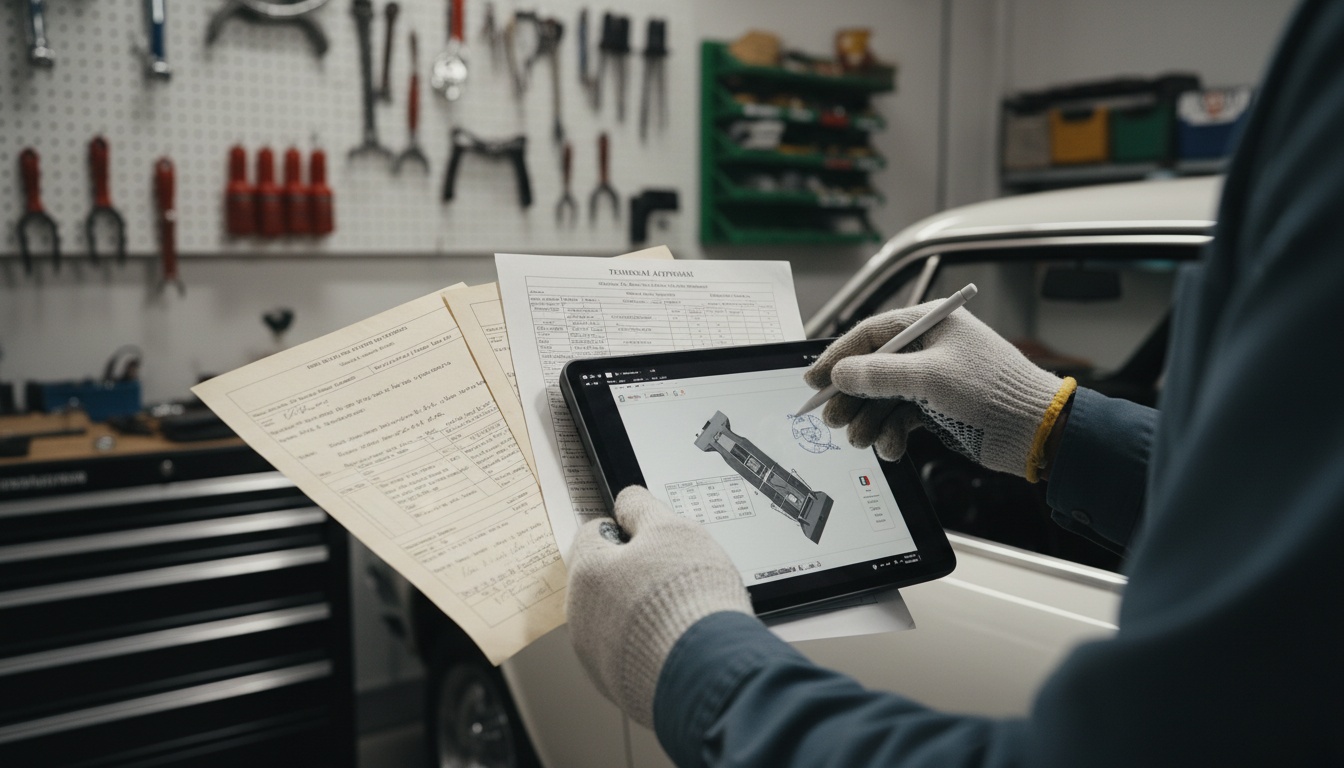
You will need to provide insurers with: a Bill of Sale, Customs Clearance documentation (if imported), and timestamped photographs documenting the current restoration state. Non-GCC spec vehicles — a common situation for imported project cars — add a layer of underwriting complexity. Reviewing GCC vs Non-GCC spec car insurance differences will help you anticipate the questions your insurer will ask.
Key Factors in Valuation: Agreed Value vs. Market Value for Projects
Standard motor insurance in the UAE uses market value (depreciated) at the time of a claim. For a classic car or project vehicle, this approach is deeply problematic. A 1970s-era bodyshell with no engine has a near-zero market value — yet the owner may have invested AED 150,000 in sourcing rare body panels.
Agreed Value coverage is the correct solution. Under this structure:
- The insured and insurer agree on a fixed sum insured at policy inception
- That exact amount is paid in the event of a total loss — no depreciation deductions
- Agreed value requires a professional valuation from a certified UAE classic car appraiser
This mirrors the approach used for registered classics, as detailed in the Classic Car Daily Driver UAE 2026: Insurance Risks Explained article. The same valuation logic applies before the car ever reaches the road.
Project Car vs. Road-Legal Classic Insurance in UAE
| Feature | Project Car (In-Restoration) | Registered Classic (Road-Legal) |
|---|---|---|
| RTA Registration Required? | No | Yes |
| Coverage Type | Storage / Lay-up | Comprehensive |
| Premium Calculation Basis | Agreed value on components | Agreed / Market value |
| Road Use Covered? | No | Yes (restricted mileage) |
| Transit Coverage (Flatbed)? | Add-on available | Standard in many policies |
If your restoration project involves an engine swap or restomod build, review the Classic Car Engine Swap Insurance UAE 2026: Restomod Guide to understand how modifications affect your agreed value and future registration eligibility.
Compare & Choose a Plan
Essential Checklist: Transitioning from Workshop to RTA Classic Registration
When your project car is roadworthy and you're ready to pursue RTA Classic Plates, a structured transition prevents insurance gaps. Follow this checklist:
- Obtain a technical inspection from an RTA-approved testing center — even classic vehicles require a roadworthiness certificate
- Commission a fresh agreed-value appraisal reflecting the completed restoration
- Submit Customs Clearance and origin documentation to the RTA
- Convert your lay-up policy to a classic car comprehensive policy before the car leaves the workshop
- Confirm your RTA Classic Plate category (1 through 5, based on vehicle age and condition) — this directly affects your premium tier
- Arrange flatbed transit insurance for the final move to the inspection center — your lay-up policy likely covers this, but confirm in writing
You can compare motor insurance plans for classic vehicles on licensed platforms once your car achieves road-legal status — multiple insurers offer specialist classic policies with mileage restrictions and agreed-value terms.
Get a Free Quote Now
Conclusion
Bottom line: A non-running project car in the UAE is not an uninsurable vehicle — it's a high-value asset that requires a purpose-built lay-up or storage policy covering fire, theft, and transit risks from day one of restoration. Agreed Value coverage protects your investment throughout the process, and a structured transition checklist ensures no gap exists between workshop and RTA Classic Plate approval. Explore your motor insurance options on licensed platforms to find a policy that covers your classic from shell to showroom.
Short Summary: How to insure a non-running classic car project in the UAE in 2026 — covering lay-up policies, agreed value, and RTA transition steps.
Meta Description: Insuring a classic car project in UAE 2026? Learn lay-up policies, agreed value coverage, and how to transition to RTA Classic Plates without gaps.
Slug: classic-car-project-insurance-uae-2026-guide
Explore Plans →
FAQ
Do I need insurance for a classic car that doesn't have an engine installed?
Yes. The chassis, bodywork, and all fitted components carry significant replacement value. A lay-up or storage policy covers fire, theft, and accidental damage regardless of whether the car is mechanically complete.
Can I get insurance for a classic car with a Non-GCC chassis during restoration?
Yes, though underwriting requirements are stricter. You'll need Customs Clearance documentation, a professional valuation, and detailed photographs. Some insurers may require an Emirates Authority for Standardization and Metrology (MOIAT) assessment for non-homologated vehicles.
Does standard UAE car insurance cover fire and theft while in a private garage?
Standard comprehensive motor insurance assumes an RTA-registered, roadworthy vehicle. A non-running project car requires a specific lay-up or storage policy to cover garage-based risks — standard policies will typically exclude unregistered vehicles.
What happens to my insurance if I transport my project car on a flatbed to a workshop?
Transit coverage for flatbed transport can be included as an add-on to most lay-up policies. Confirm the specific route and destination workshop are declared to your insurer before each move to avoid coverage voids.
Do I need an RTA technical inspection certificate before insuring a non-running car?
No — an RTA inspection is not required to obtain lay-up or storage insurance. It becomes mandatory only when you seek RTA registration and Classic Plates once the restoration is complete.
Editorial note: This article is for general information and does not constitute insurance advice. Always confirm terms with your insurer.