






Motor Insurance
Modifying Vintage Cars: UAE Insurance and RTA Rules 2026
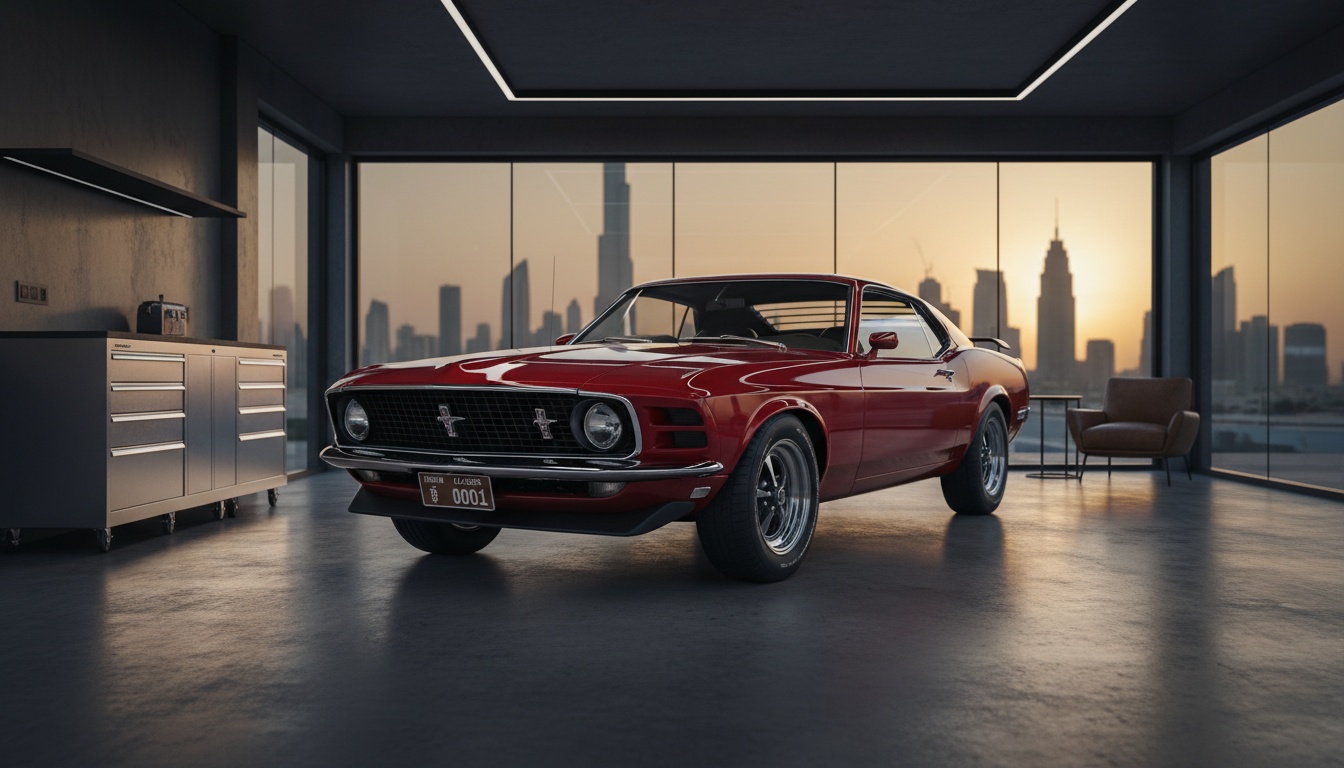
Owning a classic car in the UAE is a passion shared by thousands of collectors and restorers — but modifying one in 2026 comes with a tightly regulated compliance path. From MoIAT certification to RTA brown plate eligibility, the rules governing vintage car modifications directly affect your registration status and classic car insurance coverage. This guide breaks down exactly what you need to know before picking up a wrench.
Understanding Vintage Car Classification and the 2026 Regulatory Landscape
Under UAE federal law, a vehicle qualifies as a "vintage" or "classic" car when it is at least 25 years old and maintains substantial originality in structure, drivetrain, and body. The Roads and Transport Authority (RTA) issues distinctive brown plates to qualifying classic vehicles — a status that carries both privileges and restrictions.
In 2026, the UAE Cabinet-approved Technical Regulation for Vehicle Modification, administered by the Ministry of Industry and Advanced Technology (MoIAT), introduced clearer boundaries between permissible restorations and modifications that trigger re-classification. Any structural change, engine swap, or suspension alteration now requires a formal MoIAT certificate before the vehicle can pass inspection or be legally insured under a classic category policy.
Understanding this distinction is the foundation of compliance. US-specification vintage imports face additional scrutiny — readers importing or owning such vehicles should review the detailed breakdown in US-Spec Classic Car Insurance UAE 2026: Modification Rules.
Essential Modification Categories: Performance, Aesthetics, and Mandatory Safety Upgrades
Not all modifications are created equal under 2026 rules. MoIAT categorizes changes into three tiers:
1. Cosmetic/Aesthetic Modifications Paint colour changes, upholstery upgrades, and period-correct accessory additions generally do not affect classic classification — provided they do not alter body panel structure. Window tinting, however, is capped at 30% VLT for front side windows under 2026 inspection protocols, consistent with standard UAE tinting regulations.
2. Performance Modifications Engine remapping, carburetor upgrades, exhaust system changes, and suspension modifications require prior MoIAT approval. Exhaust noise levels must not exceed 95 decibels under the 2026 technical regulations. Unauthorised engine swaps are the most common reason classic car claims are rejected by insurers.
3. Mandatory Safety Upgrades Here is where 2026 rules create a genuine tension for purists. While full ABS retrofitting is not universally mandated for pre-1990 vehicles, updated LED lighting, functioning seatbelts meeting ESMA standards, and fuel system safety compliance are required for any vehicle driven on public roads — regardless of vintage status.
Insurance Impact: How Modifications Alter Your Classic Car Valuation and Premium
This is where compliance directly hits your wallet. Classic car insurance in the UAE typically operates on one of two valuation models:
| Feature | Standard Vintage (Original) | Modified Vintage (Restomod) |
|---|---|---|
| Registration Category | RTA Brown Plate (Classic) | Standard or Specialist Plate |
| Insurance Valuation Method | Agreed Value | Market Value or Negotiated Agreed Value |
| Inspection Requirements | Annual classic inspection | Full technical inspection + MoIAT certificate |
| Premium Calculation | Collector-rated, lower mileage basis | Performance-risk rated |
| Claim Risk | Lower (limited road use) | Higher if modifications undisclosed |
Understanding the difference between Agreed Value and Market Value policies is critical for modified classic owners. As explored in Classic Car Valuation UAE 2026: Why Insurers Reject Prices, insurers can reject a claimed value if the vehicle's modification history was not disclosed at policy inception.
Mandatory reporting rules apply: every performance modification must be declared to your insurer before it is installed. Failure to do so gives insurers legal grounds to reject liability claims entirely — a risk no classic car owner can afford.
You can compare classic motor insurance plans on licensed platforms to find policies that explicitly cover modified vintage vehicles with agreed value protection.
Compare & Choose a Plan
Step-by-Step Compliance Checklist for RTA and MoIAT Technical Inspections
Follow this checklist before presenting your modified vintage car for inspection:
- Confirm classic car eligibility — verify your vehicle is 25+ years old and review RTA brown plate criteria at rta.ae.
- List all modifications — document every change with receipts, workshop certificates, and before/after photographs.
- Obtain MoIAT pre-approval — submit structural or engine modification plans to MoIAT before work begins at moiat.gov.ae.
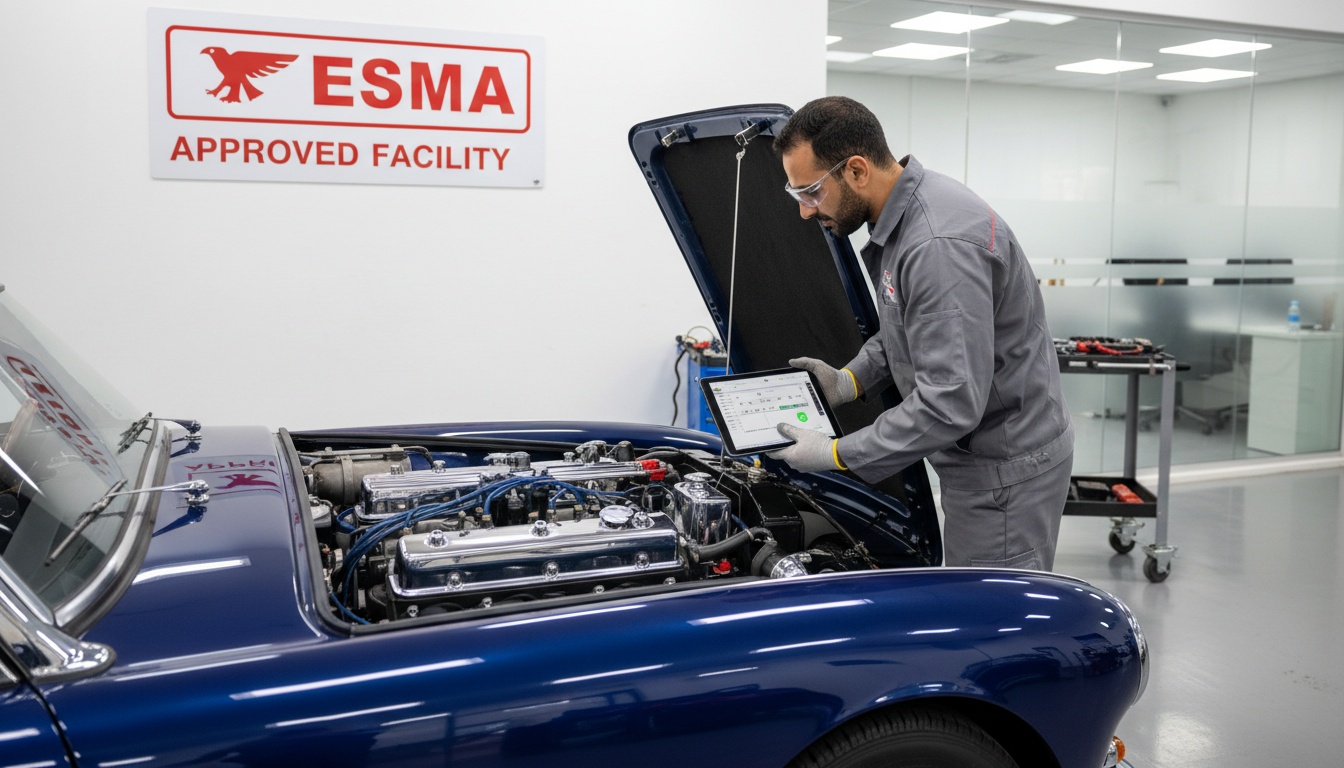
- Use only ESMA-approved workshops — confirm workshop certification before commissioning any work.
- Check noise and tint compliance — exhaust under 95dB, front window tint at 30% VLT minimum.
- Notify your insurer in writing — declare all modifications before the vehicle returns to the road.
- Update your insurance policy — review whether your current plan remains valid or whether you need a specialist classic car insurance product.
- Schedule a pre-inspection — some ESMA workshops offer pre-inspection checks before the official RTA test.
Get a Free Quote Now
Conclusion
Bottom line: Modifying a vintage car in the UAE in 2026 requires navigating a dual compliance path — satisfying MoIAT technical regulations while keeping your classic car insurance valid and correctly valued. Disclose every modification to your insurer, use ESMA-approved workshops, and secure MoIAT certification before any structural work begins. Visit licensed insurance platforms to compare, buy, and manage your classic motor insurance — all in one place.
Short Summary: A 2026 compliance guide for UAE classic car owners on modifying vintage vehicles without losing insurance coverage or RTA brown plate status.
Meta Description: Modifying a vintage car in UAE 2026? Learn MoIAT rules, RTA inspection steps, and how modifications affect your classic car insurance valuation.
Slug: modifying-vintage-cars-uae-insurance-inspection-2026
Explore Plans →
FAQ
Can I insure a vintage car with a non-original engine swap in the UAE?
Yes, but only if the engine swap was approved by MoIAT and declared to your insurer before the policy was issued. Undisclosed engine modifications are the leading cause of classic car claim rejections in the UAE.
Does 2026 compliance require adding modern safety features like ABS to classic cars?
Full ABS retrofitting is not universally mandated for pre-1990 vehicles. However, ESMA-compliant seatbelts, functioning lighting, and fuel system safety upgrades are required for road use under 2026 inspection rules.
What is the maximum allowable window tint for vintage cars under 2026 rules?
Front side windows must maintain a minimum 30% VLT (Visible Light Transmission), consistent with standard UAE tinting regulations enforced during RTA inspections.
How do MoIAT certificates affect my classic car insurance premium?
A valid MoIAT certificate demonstrates that modifications meet regulatory standards, which can support an agreed value settlement and prevent premium loading. Without it, insurers may reclassify the risk and increase your premium significantly.
Is Agreed Value coverage available for modified vintage cars in the UAE?
Yes, specialist insurers do offer agreed value policies for restomods, provided all modifications are declared, MoIAT-certified, and the valuation is supported by an independent appraisal at policy inception.
Editorial note: This article is for general information and does not constitute insurance advice. Always confirm terms with your insurer.